Don Quixote
Eisenstein's struggle for a community of independent filmmakers
The first book that ten-year-old Sergei Eisenstein bought for himself was a monograph of Honoré Daumier’s drawings. The great French artist's irony, laconic social caricatures and dynamic line influenced Eisenstein’s drawings and later echoed the director's compositions. Eisenstein collected several prints of Daumier’s works, among them one of a painting of Don Quixote. The print is not preserved. We do not know which of the many variations which Daumier painted Eisenstein chose for his home.
In September 1929 Sergei Eisenstein would become a Don Quixote himself, fighting against the windmills of Commercial Cinema.
On their trip through Europe, Eisenstein, his assistant Grigori Aleksandrov and his cinematographer Eduard Tissé travelled to Switzerland to join the Congress of Independent Filmmakers at the Chateau La Sarraz from September 3-7 1929 as the Russian delegates.
It was a meeting of avant-garde filmmakers, film critics and film enthusiasts from all over the world. The Congress can be considered the first film festival – professionals and film lovers presented films in order to discuss and network (or at least, that was a goal of the Congress). Ivor Montagu writes in 1969: “The conference was, I suppose, the very first precursor of all the festivals of cinema which are now such a familiar feature of the landscape, such an occasion for manoeuvring and junketing.” (Ivor Montagu: With Eisenstein in Hollywood, International Publishers, New York, 1969, p. 13)
Indeed Eisenstein formed friendships and collaborations in La Sarraz that would last throughout his life. Following Ivor Montagu’s invitation Eisenstein gave a number of lectures later that year, and more importantly Montagu joined the Russian group on their travels to Hollywood, co-writing the scenarios for the unrealized projects ‘Sutter’s Gold’ and ‘An American Tragedy’. Léon Moussinac, whose acquaintance Sergei Eisenstein made already in 1927 in Moscow, was his host during his trips through France. In Hans Richter’s film ‘Everyday’ Eisenstein would play a small role of an English policeman, the “Bobby”, when visiting his set in December 1929.
The participants of the congress were:
Soviet Union: Sergei Eisenstein, Eduard Tissé (his assistant), Grigori Aleksandrov (his camera man)
Germany: Béla Balázs (film critic and film theorist), Hans Richter (abstract filmmaker), Walter Ruttmann (abstract filmmaker)
France: Robert Aron (film critic and organizer of the congress), Jean-George Auriol (film critic and founder of La Revue du cinéma), Janine Bouissounouse (film critic and secretary of the Congress), Alberto Cavalcanti (film director), Jean Lenauer (film critic at Close Up and La Revue du cinéma, translator at the Congress), André R. Maugé (film critic at La Revue du cinema, translator at the Congress), Léon Moussinac (writer and film critic)
Great Britain: Jack Isaacs (London Film Society and lecturer and King’s College), Ivor Montagu (founder of London Film Society)
Italy: Enrico Prampolini (futurist painter and scenographer), Alberto Sartoris (architect and representative of italian cine-clubs)
Japan: Hiroshi Higo (Prokino (Proletarian Film League of Japan) and cinema owner), Moichiro Tsuchiya (film critic at Kinema Junpo)
Netherlands: Mannus Franken (film critic and cine-club Filmliga)
Austria: Fritz Rosenfeld (editorial journalist at Vienna Arbeiter-Zeitung)
Switzerland: Robert Guye (Ciné club de Genève), Arnold Kohler (film critic and Ciné club de Genève), Alfred Masset (film producer and Ciné club de Genève), Georg Schmidt (Schweizerischer Werkbund (association of artists, architects, designers, and industrialists))
Spain: Ernesto Giménez Caballero (surrealist writer and Cine Club Español)
US: Montgomery Evans (writer and collector, temporarily cinema owner)
During the Congress – according to Eisenstein’s memoirs it was the 5th of September – the participants decided to not only talk about film, but produce one together. The resulting film ‘The Storming of La Sarraz’ itself is lost. Accounts on the fate of the film negative differ. But a number of surviving photographs give an impression of the process of film making and its central scenes.
Eisenstein – either together with the German filmmaker Hans Richter or on his own – directed the film, and also took part as an actor. His collaborators Grigori Aleksandrov and Eduard Tissé particiapated as cinematographers and actors. Photos of Walter Ruttmann with a handheld Kinamo camera suggest that he, too, was part of the crew. Another photograph suggests that Eisenstein, Aleksandrov, Tissé, Jean-George Auriol and Jean Lenauer could have made up the production crew.
With or without the consent of hostess Madame de Mandrot the participants used the castle’s decoration and suits of armour to tell a heroic tale: The struggle between Independent and Commercial cinema.
Janine Bouissounouse representing the Spirit of Independent Film is captured by henchmen of Commercial Cinema and rescued by the knights of Independent Film. The side of the villains consists of Béla Balász as the army commander of Commercial Cinema (no photographs seem to be preserved of him in costume), Jack Isaacs as Knight Bluebeard and Moichiro Tsuchiya as the samurai Spirit of Japanese Commercial Cinema, who after his defeat has to perform hara-kiri. To the rescue of Independent Film come Hans Richter as the Knight of Independent Cinema, Léon Moussinac as D’Artagnan, Jean-George Auriol and of course Sergei Eisenstein high on his film-projector-horse as the army commander Don Quixote.
Eisenstein’s route of travel after the Congress first through Switzerland, Europe and then to the US and Mexico is well known. However it is difficult to trace the whereabouts of the footage of ‘The Storming of La Sarraz’.
The film’s supposed directors Hans Richter and Sergei Eisenstein accused each other of taking and losing the footage, but there is evidence that Hiroshi Higo showed it to Japanese Communists under the title ‘Kokusai Dokoritsu Eiga Kaigi’ at an event of the Proletarian Film League of Japan which he belonged to. In fact the film even got a Japanese censorship number (E 7612), that can be found in the inventory of the National Museum of Modern Art in Tokyo – just without the film. As a further curiosity this number refers to a 16mm film copy, while Eduard Tissé shot on a 35mm film camera in La Sarraz. So whether the original material ever made it to Japan, too, remains unclear.
Source: In the Master’s Home, https://whoknowspresents.blogspot.com/2017/08/ritter-eisenstein-ersturmt-la-sarraz.html, https://blog.nationalmuseum.ch/en/2019/10/the-lost-film-of-sergei-mikhailovich-eisenstein/ and Publications by the Cinematheque Suisse)

-

 Group picture of the participants of the Congress of Independent Filmmakers, September 1929, La Sarraz.3-7 September 1929Alberto Cavalcanti• Participant of the Congress of Independent Filmmakers, La SarrazAlberto Sartoris• Participant of the Congress of Independent Filmmakers, La SarrazAlfred Masset• Participant of the Congress of Independent Filmmakers, La SarrazAndré R. Maugé• Participant of the Congress of Independent Filmmakers, La SarrazArnold Kohler• Participant of the Congress of Independent Filmmakers, La SarrazBéla Balász• Participant of the Congress of Independent Filmmakers, La SarrazEduard Tisse• Eisenstein's camera man/ Participant of the Congress of Independent Filmmakers, La SarrazEnrico Prampolini• Participant of the Congress of Independent Filmmakers, La SarrazErnesto Giménez Caballero• Participant of the Congress of Independent Filmmakers, La SarrazFritz Rosenfeld• Participant of the Congress of Independent Filmmakers, La Sarraz/ Austrian film criticGeorg Schmidt• Participant of the Congress of Independent Filmmakers, La Sarraz, for the "Schweizerischen Werkbund"/ Swiss cinephile, later head of Artmuseum Basel; at La Sarraz as "Vertreter des schweizerischen Werkbundes"/ Swiss cinephile, later head of Artmuseum BaselGrigori Aleksandrov• Eisenstein's assistant/ Participant of the Congress of Independent Filmmakers, La SarrazHans Richter• Participant of the Congress of Independent Filmmakers, La Sarraz/ German experimental filmmaker/ Acquaintance of EisensteinHiroshi Hijo• Participant of the Congress of Independent Filmmakers, La SarrazIvor Montagu• Participant of the Congress of Independent Filmmakers, La Sarraz/ British filmmaker and screenwriter/ Traveling companion of EisensteinJack Isaacs• Participant of the Congress of Independent Filmmakers, La Sarraz/ Lecturer at King's College London from 1928 to 1942Janine Bouissounouse• Participant of the Congress of Independent Filmmakers, La Sarraz/ Film CriticJean Lenauer• Participant of the Congress of Independent Filmmakers, La SarrazJean-George Auriol• Participant of the Congress of Independent Filmmakers, La Sarraz/Editor "Revue du Cinema"Léon Moussinac• Participant of the Congress of Independent Filmmakers, La Sarraz/ French Film Critic/ Travelling companion of EisensteinMannus Franken• Participant of the Congress of Independent Filmmakers, La SarrazMoichiro Tsuchiya• Participant of the Congress of Independent Filmmakers, La Sarraz/ Critic at Kinema Junpo, Paris/ TokyoMontgomery Evans• Participant of the Congress of Independent Filmmakers, La SarrazRobert Aron• Organizier of the Congress of Independent Filmmakers, La SarrazRobert Guye• Participant of the Congress of Independent Filmmakers, La SarrazSergei EisensteinWalter Ruttmann• Participant of the Congress of Independent Filmmakers, La Sarraz/ German experimental filmmakerJéchiel Feldstein-Imbert• Photographer in La SarrazLa Sarraz, SwitzerlandCongress of Independent Filmmakers
 -
 The castle La Sarraz near Lausanne, Switzerland.3-7 September 1929
 -
 Sergei Eisenstein in front of the castle La Sarraz during the Congress of Independent Filmmakers.3-7 September 1929Sergei EisensteinLa Sarraz, SwitzerlandCongress of Independent Filmmakers
 -
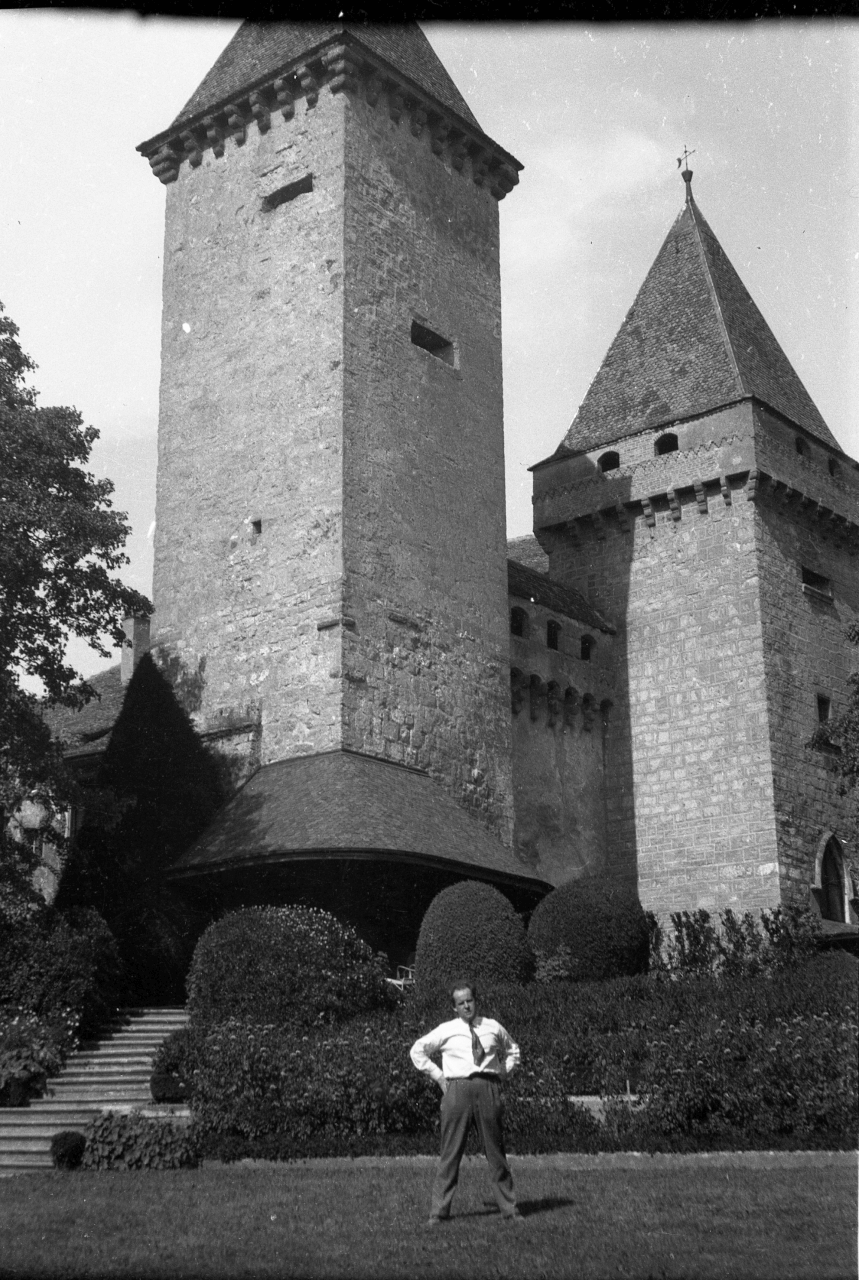 Sergei Eisenstein in front of the castle La Sarraz during the Congress of Independent Filmmakers.3-7 September 1929Sergei EisensteinLa Sarraz, SwitzerlandCongress of Independent Filmmakers
 -
 Grigori Aleksandrov in front of the castle La Sarraz during the Congress of Independent Filmmakers.3-7 September 1929Grigori Aleksandrov• Eisenstein's assistant/ Participant of the Congress of Independent Filmmakers, La SarrazLa Sarraz, SwitzerlandCongress of Independent Filmmakers
 -
 Eduard Tisse in front of the castle La Sarraz during the Congress of Independent Filmmakers.3-7 September 1929Eduard Tisse• Eisenstein's camera man/ Participant of the Congress of Independent Filmmakers, La SarrazLa Sarraz, SwitzerlandCongress of Independent Filmmakers
 -
 Sergei Eisenstein during discussions at the Congress of Independent Filmmakers.3-7 September 1929Sergei EisensteinLa Sarraz, SwitzerlandCongress of Independent Filmmakers
 -
 Hans Richter during discussions at the Congress of Independent Filmmakers.3-7 September 1929
 -
 Léon Moussinac at the Congress of Independent Filmmakers.3-7 September 1929Léon Moussinac• Participant of the Congress of Independent Filmmakers, La Sarraz/ French Film Critic/ Travelling companion of EisensteinLa Sarraz, SwitzerlandCongress of Independent Filmmakers
 -
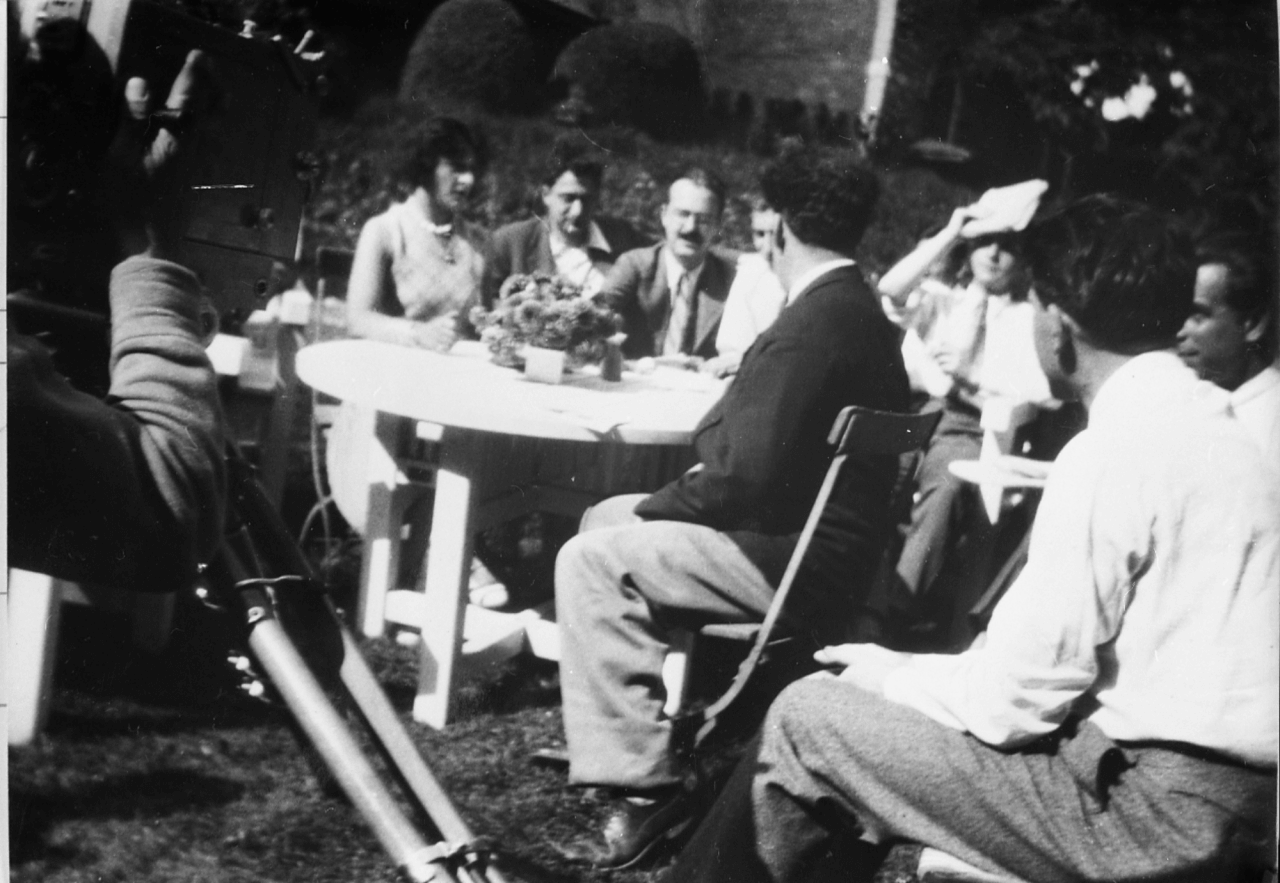
 A discussion at the Congress of Independent Filmmakers.3-7 September 1929Sergei EisensteinJanine Bouissounouse• Participant of the Congress of Independent Filmmakers, La Sarraz/ Film CriticIvor Montagu• Participant of the Congress of Independent Filmmakers, La Sarraz/ British filmmaker and screenwriter/ Traveling companion of EisensteinMontgomery Evans• Participant of the Congress of Independent Filmmakers, La SarrazEduard Tisse• Eisenstein's camera man/ Participant of the Congress of Independent Filmmakers, La SarrazLa Sarraz, SwitzerlandCongress of Independent Filmmakers
 -

 Discussions at the Congress of Independent Filmmakers.3-7 September 1929Jean-George Auriol• Participant of the Congress of Independent Filmmakers, La Sarraz/Editor "Revue du Cinema"Georg Schmidt• Participant of the Congress of Independent Filmmakers, La Sarraz, for the "Schweizerischen Werkbund"/ Swiss cinephile, later head of Artmuseum Basel; at La Sarraz as "Vertreter des schweizerischen Werkbundes"/ Swiss cinephile, later head of Artmuseum BaselBéla Balász• Participant of the Congress of Independent Filmmakers, La SarrazFritz Rosenfeld• Participant of the Congress of Independent Filmmakers, La Sarraz/ Austrian film criticLa Sarraz, SwitzerlandCongress of Independent Filmmakers
 -

 Discussions at the Congress of Independent Filmmakers.3-7 September 1929Jack Isaacs• Participant of the Congress of Independent Filmmakers, La Sarraz/ Lecturer at King's College London from 1928 to 1942Fritz Rosenfeld• Participant of the Congress of Independent Filmmakers, La Sarraz/ Austrian film criticJanine Bouissounouse• Participant of the Congress of Independent Filmmakers, La Sarraz/ Film CriticIvor Montagu• Participant of the Congress of Independent Filmmakers, La Sarraz/ British filmmaker and screenwriter/ Traveling companion of EisensteinMontgomery Evans• Participant of the Congress of Independent Filmmakers, La SarrazRobert Aron• Organizier of the Congress of Independent Filmmakers, La SarrazJean-George Auriol• Participant of the Congress of Independent Filmmakers, La Sarraz/Editor "Revue du Cinema"Moichiro Tsuchiya• Participant of the Congress of Independent Filmmakers, La Sarraz/ Critic at Kinema Junpo, Paris/ TokyoHiroshi Hijo• Participant of the Congress of Independent Filmmakers, La SarrazSergei EisensteinLa Sarraz, SwitzerlandCongress of Independent Filmmakers
 -


 Discussions at the Congress of Independent Filmmakers.3-7 September 1929Janine Bouissounouse• Participant of the Congress of Independent Filmmakers, La Sarraz/ Film CriticFritz Rosenfeld• Participant of the Congress of Independent Filmmakers, La Sarraz/ Austrian film criticIvor Montagu• Participant of the Congress of Independent Filmmakers, La Sarraz/ British filmmaker and screenwriter/ Traveling companion of EisensteinMontgomery Evans• Participant of the Congress of Independent Filmmakers, La SarrazMannus Franken• Participant of the Congress of Independent Filmmakers, La SarrazJean-George Auriol• Participant of the Congress of Independent Filmmakers, La Sarraz/Editor "Revue du Cinema"La Sarraz, SwitzerlandCongress of Independent Filmmakers
 -
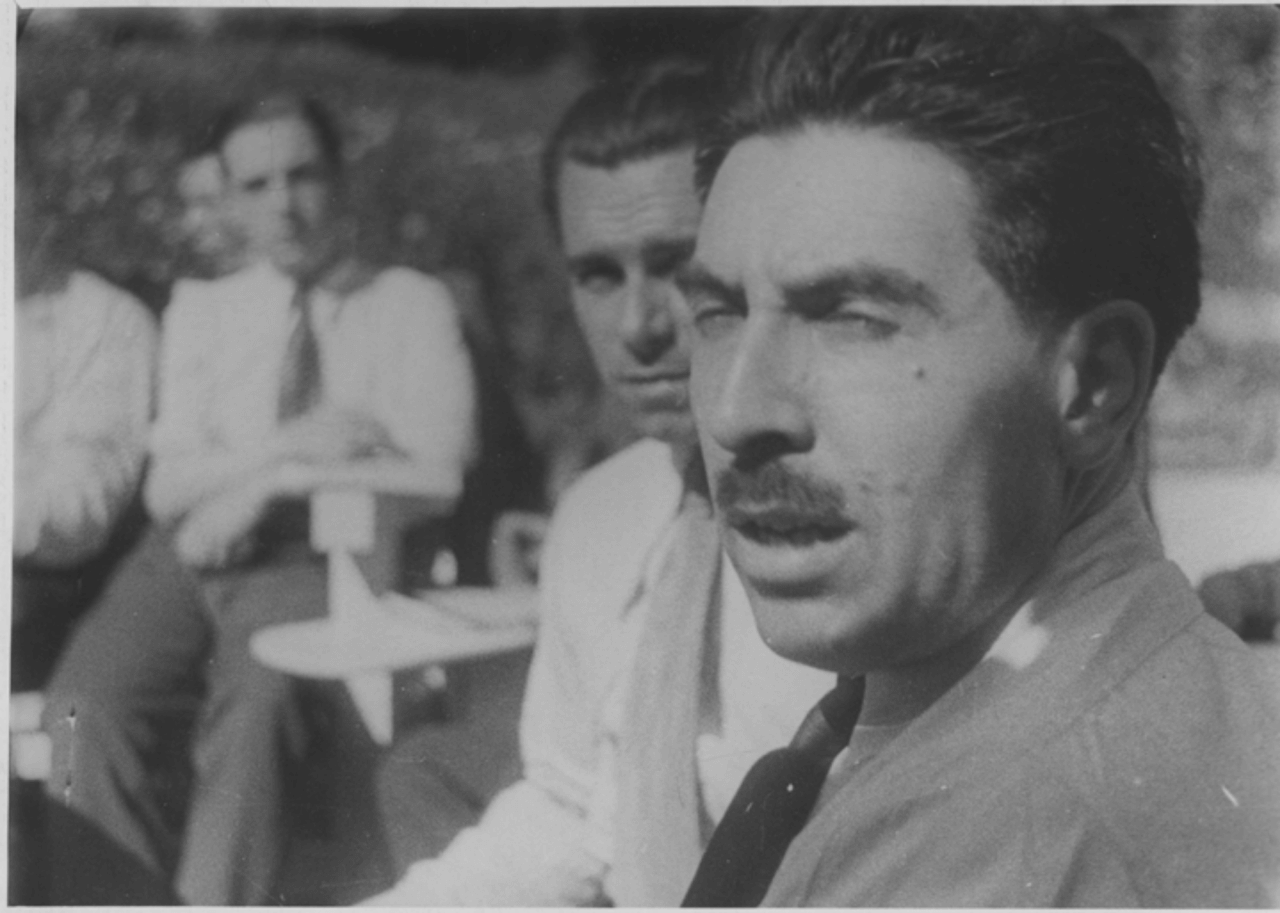 Léon Moussinac at the Congress of Independent Filmmakers.3-7 September 1929Léon Moussinac• Participant of the Congress of Independent Filmmakers, La Sarraz/ French Film Critic/ Travelling companion of EisensteinEnrico Prampolini• Participant of the Congress of Independent Filmmakers, La SarrazLa Sarraz, SwitzerlandCongress of Independent Filmmakers
 -
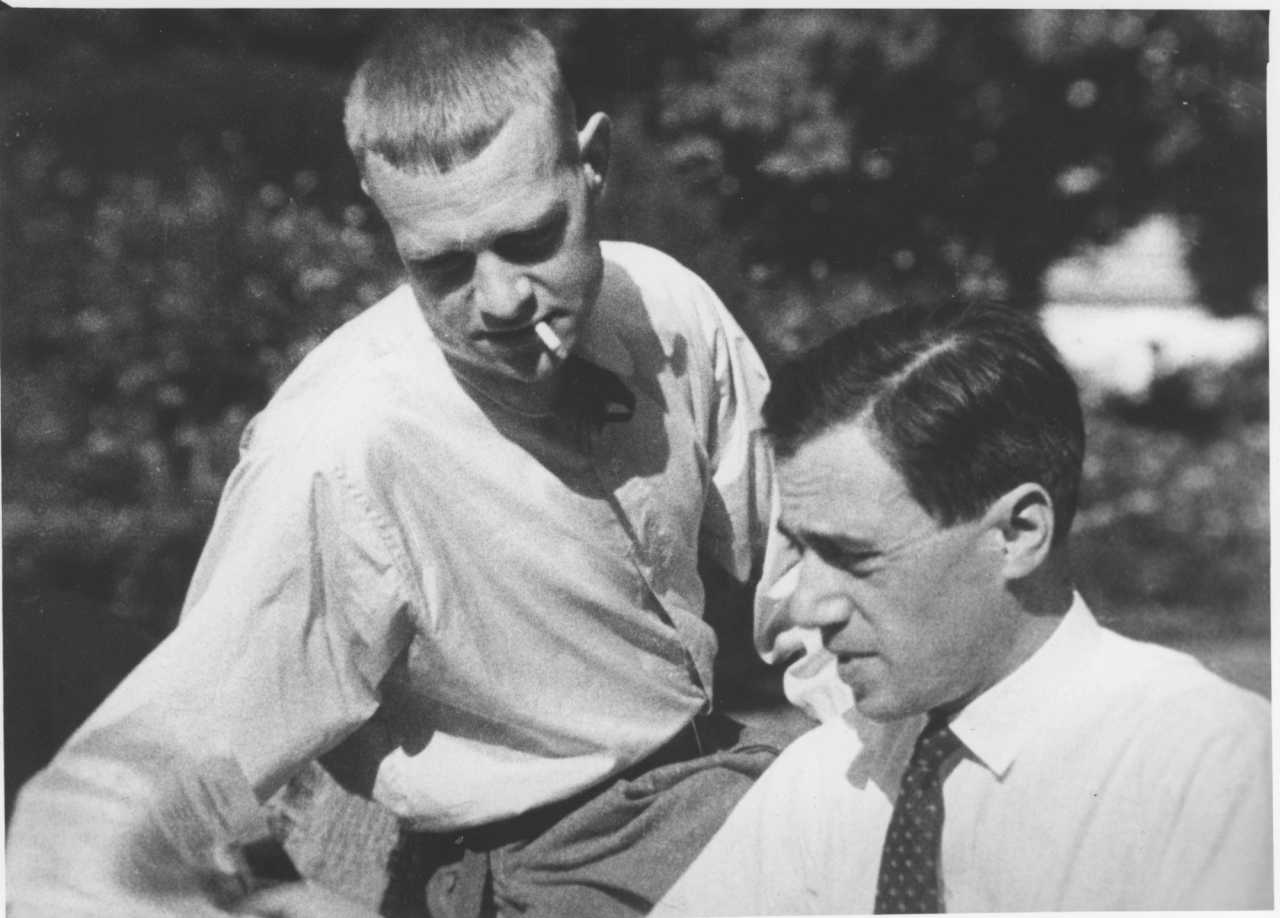 Georg Schmidt and Hans Richter at the Congress of Independent Filmmakers.3-7 September 1929Georg Schmidt• Participant of the Congress of Independent Filmmakers, La Sarraz, for the "Schweizerischen Werkbund"/ Swiss cinephile, later head of Artmuseum Basel; at La Sarraz as "Vertreter des schweizerischen Werkbundes"/ Swiss cinephile, later head of Artmuseum BaselHans Richter• Participant of the Congress of Independent Filmmakers, La Sarraz/ German experimental filmmaker/ Acquaintance of EisensteinLa Sarraz, SwitzerlandCongress of Independent Filmmakers
 -
 Jack Isaacs at the Congress of Independent Filmmakers.3-7 September 1929Montgomery Evans• Participant of the Congress of Independent Filmmakers, La SarrazJanine Bouissounouse• Participant of the Congress of Independent Filmmakers, La Sarraz/ Film CriticLa Sarraz, SwitzerlandCongress of Independent Filmmakers
 -
 Hiroshi Hijo and Sergei Eisenstein in discussion at the Congress of Independent Filmmakers.3-7 September 1929Hiroshi Hijo• Participant of the Congress of Independent Filmmakers, La SarrazSergei EisensteinLa Sarraz, SwitzerlandCongress of Independent Filmmakers
 -
 Mannus Franken, Montgomery Evans, Ivor Montagu, Robert Aron, Alberto Sartoris (?) and Fritz Rosenfeld at the Congress of Independent Filmmakers.3-7 September 1929Mannus Franken• Participant of the Congress of Independent Filmmakers, La SarrazMontgomery Evans• Participant of the Congress of Independent Filmmakers, La SarrazIvor Montagu• Participant of the Congress of Independent Filmmakers, La Sarraz/ British filmmaker and screenwriter/ Traveling companion of EisensteinRobert Aron• Organizier of the Congress of Independent Filmmakers, La SarrazAlberto Sartoris• Participant of the Congress of Independent Filmmakers, La SarrazFritz Rosenfeld• Participant of the Congress of Independent Filmmakers, La Sarraz/ Austrian film criticLa Sarraz, SwitzerlandCongress of Independent Filmmakers
 -
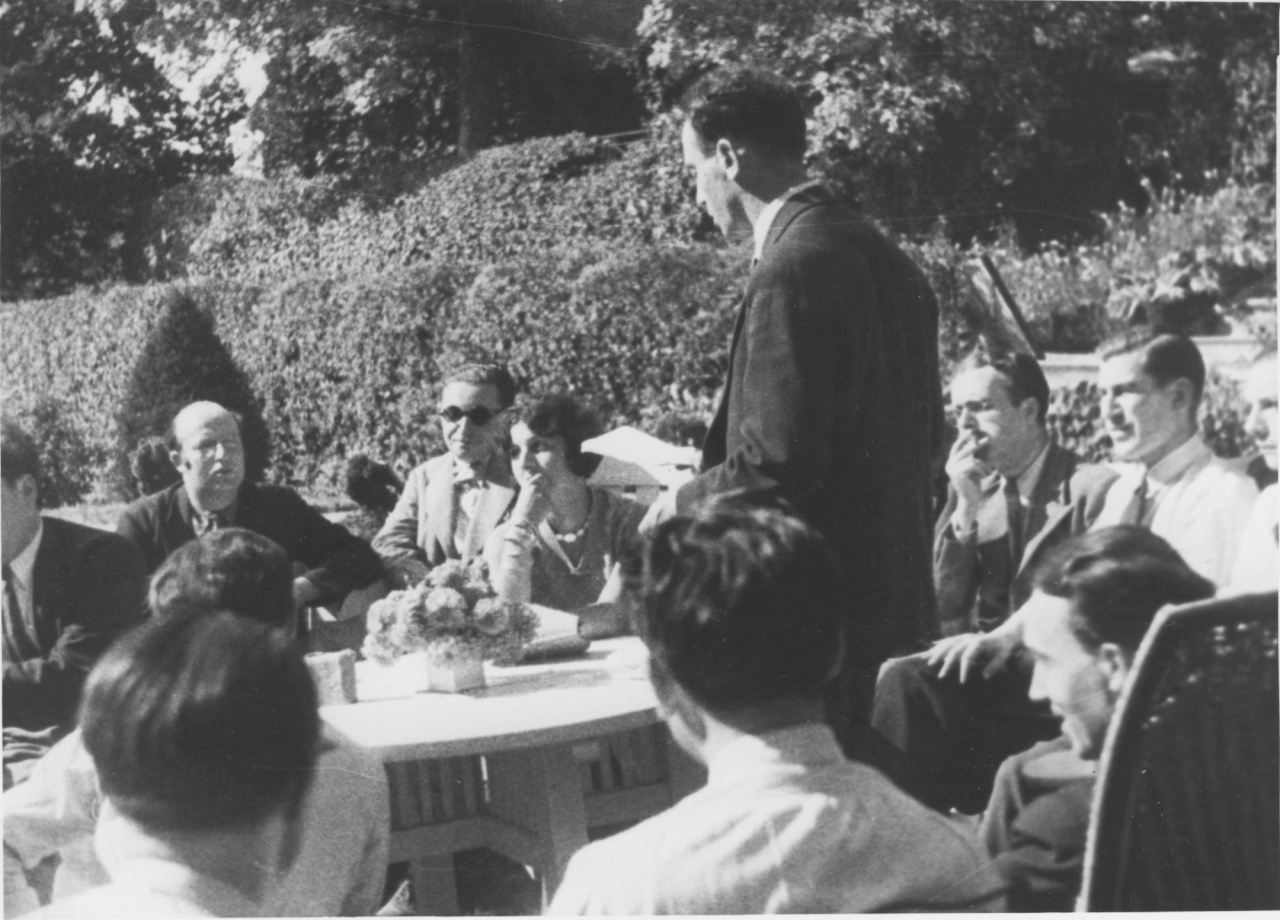 Discussions at the Congress of Independent Filmmakers.3-7 September 1929Jack Isaacs• Participant of the Congress of Independent Filmmakers, La Sarraz/ Lecturer at King's College London from 1928 to 1942Janine Bouissounouse• Participant of the Congress of Independent Filmmakers, La Sarraz/ Film CriticMontgomery Evans• Participant of the Congress of Independent Filmmakers, La SarrazRobert Aron• Organizier of the Congress of Independent Filmmakers, La SarrazMannus Franken• Participant of the Congress of Independent Filmmakers, La SarrazJean-George Auriol• Participant of the Congress of Independent Filmmakers, La Sarraz/Editor "Revue du Cinema"Hans Richter• Participant of the Congress of Independent Filmmakers, La Sarraz/ German experimental filmmaker/ Acquaintance of EisensteinLa Sarraz, SwitzerlandCongress of Independent Filmmakers
 -
 The Congress of Independent Filmmakers at Castle La Sarraz.3-7 September 1929
 -
 Robert Aron at the Congress of Independent Filmmakers.3-7 September 1929Robert Aron• Organizier of the Congress of Independent Filmmakers, La SarrazLa Sarraz, SwitzerlandCongress of Independent Filmmakers
 -
 Janine Bouissounouse writing a record of the congress discussions and Montgomery Evans at the Congress of Independent Filmmakers.3-7 September 1929Janine Bouissounouse• Participant of the Congress of Independent Filmmakers, La Sarraz/ Film CriticMontgomery Evans• Participant of the Congress of Independent Filmmakers, La SarrazLa Sarraz, SwitzerlandCongress of Independent Filmmakers
 -
 Hiroshi Hijo at the Congress of Independent Filmmakers.3-7 September 1929Hiroshi Hijo• Participant of the Congress of Independent Filmmakers, La Sarraz
 -
 Eduard Tisse and Grigori Aleksandrov shoot a newsreel during the congress discussions.5 September 1929Eduard Tisse• Eisenstein's camera man/ Participant of the Congress of Independent Filmmakers, La SarrazGrigori Aleksandrov• Eisenstein's assistant/ Participant of the Congress of Independent Filmmakers, La SarrazSergei EisensteinRobert Guye• Participant of the Congress of Independent Filmmakers, La SarrazErnesto Giménez Caballero• Participant of the Congress of Independent Filmmakers, La SarrazLa Sarraz, SwitzerlandCongress of Independent Filmmakers
 -
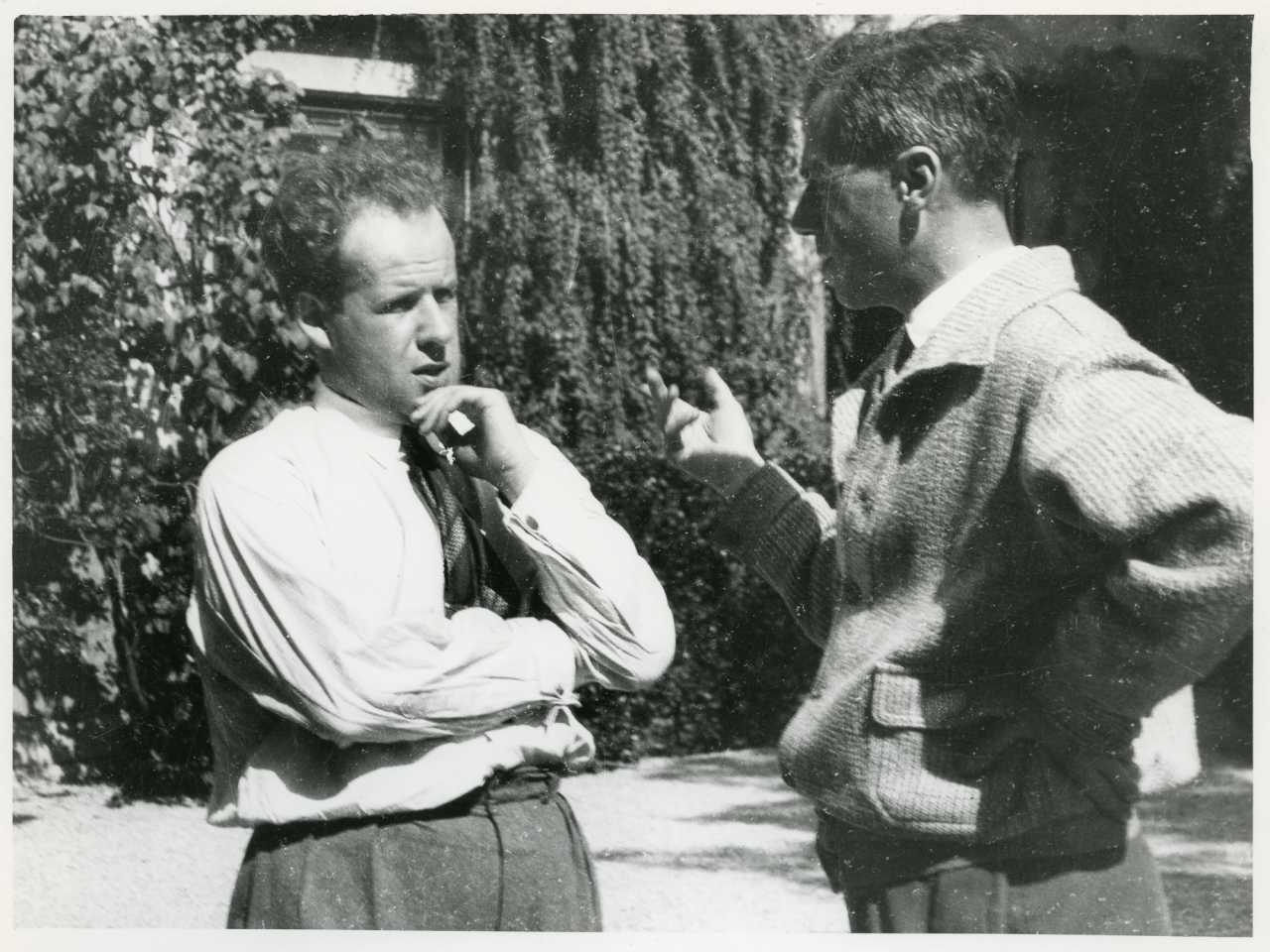 Sergei Eisenstein in discussion with Hans Richter at the Congress of Independent Filmmakers.3-7 September 1929Sergei EisensteinHans Richter• Participant of the Congress of Independent Filmmakers, La Sarraz/ German experimental filmmaker/ Acquaintance of EisensteinLa Sarraz, SwitzerlandCongress of Independent Filmmakers
 -
 Sergei Eisenstein in discussion with Hans Richter at the Congress of Independent Filmmakers.3-7 September 1929Sergei EisensteinHans Richter• Participant of the Congress of Independent Filmmakers, La Sarraz/ German experimental filmmaker/ Acquaintance of EisensteinLa Sarraz, SwitzerlandCongress of Independent Filmmakers
 -
 Alberto Sartoris, Enrico Prampolini (?) and Ernesto Giménez Caballero at the Congress of Independent Filmmakers.3-7 September 1929Alberto Sartoris• Participant of the Congress of Independent Filmmakers, La SarrazEnrico Prampolini• Participant of the Congress of Independent Filmmakers, La SarrazErnesto Giménez Caballero• Participant of the Congress of Independent Filmmakers, La SarrazLa Sarraz, SwitzerlandCongress of Independent Filmmakers
 -
 Ivor Montagu at the Congress of Independent Filmmakers.3-7 September 1929Ivor Montagu• Participant of the Congress of Independent Filmmakers, La Sarraz/ British filmmaker and screenwriter/ Traveling companion of EisensteinLa Sarraz, SwitzerlandCongress of Independent Filmmakers
 -
 Léon Moussinac at the Congress of Independent Filmmakers.3-7 September 1929Léon Moussinac• Participant of the Congress of Independent Filmmakers, La Sarraz/ French Film Critic/ Travelling companion of EisensteinLa Sarraz, SwitzerlandCongress of Independent Filmmakers
 -
 Madame Hélène de Mandrot, the owner of castle La Sarraz, and Sergei Eisenstein at the Congress of Independent Filmmakers.3-7 September 1929Sergei EisensteinHélène de Mandrot• owner of Castle La SarrazLa Sarraz, SwitzerlandCongress of Independent Filmmakers
 -
 Hans Richter, Sergei Eisenstein and Béla Balász in La Sarraz.3-7 September 1929?? Photothèque Cinémathèque suisse??Hans Richter• Participant of the Congress of Independent Filmmakers, La Sarraz/ German experimental filmmaker/ Acquaintance of EisensteinBéla Balász• Participant of the Congress of Independent Filmmakers, La SarrazLa Sarraz, SwitzerlandCongress of Independent Filmmakers
 -
 Béla Balász at the Congress of Independent Filmmakers.3-7 September 1929Béla Balász• Participant of the Congress of Independent Filmmakers, La SarrazLa Sarraz, SwitzerlandCongress of Independent Filmmakers
 -
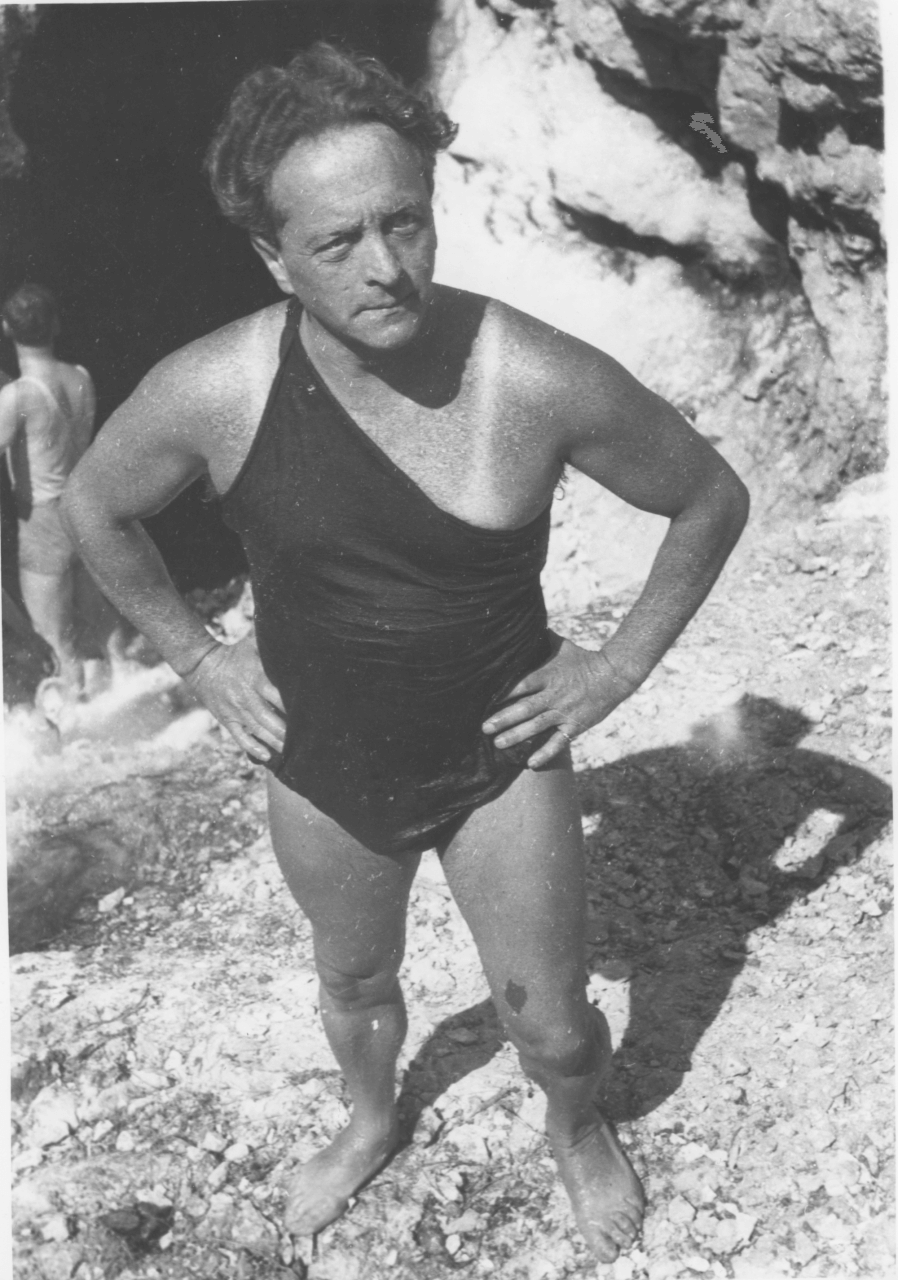 Béla Balász at the Congress of Independent Filmmakers.3-7 September 1929Béla Balász• Participant of the Congress of Independent Filmmakers, La SarrazLa Sarraz, SwitzerlandCongress of Independent Filmmakers
 -
 Sergei Eisenstein at the Congress of Independent Filmmakers.3-7 September 1929Sergei EisensteinLa Sarraz, SwitzerlandCongress of Independent Filmmakers
 -
 Grigori Aleksandrov at the Congress of Independent Filmmakers.3-7 September 1929Grigori Aleksandrov• Eisenstein's assistant/ Participant of the Congress of Independent Filmmakers, La SarrazLa Sarraz, SwitzerlandCongress of Independent Filmmakers
 -
 Eduard Tisse, Sergei Eisenstein and (?) at the Congress of Independent Filmmakers.3-7 September 1929Eduard Tisse• Eisenstein's camera man/ Participant of the Congress of Independent Filmmakers, La SarrazSergei EisensteinLa Sarraz, SwitzerlandCongress of Independent Filmmakers
 -
 At the Congress of Independent Filmmakers.3-7 September 1929
 -
 Eduard Tisse, Sergei Eisenstein and (?) at the Congress of Independent Filmmakers.3-7 September 1929La Sarraz, SwitzerlandCongress of Independent Filmmakers
 -
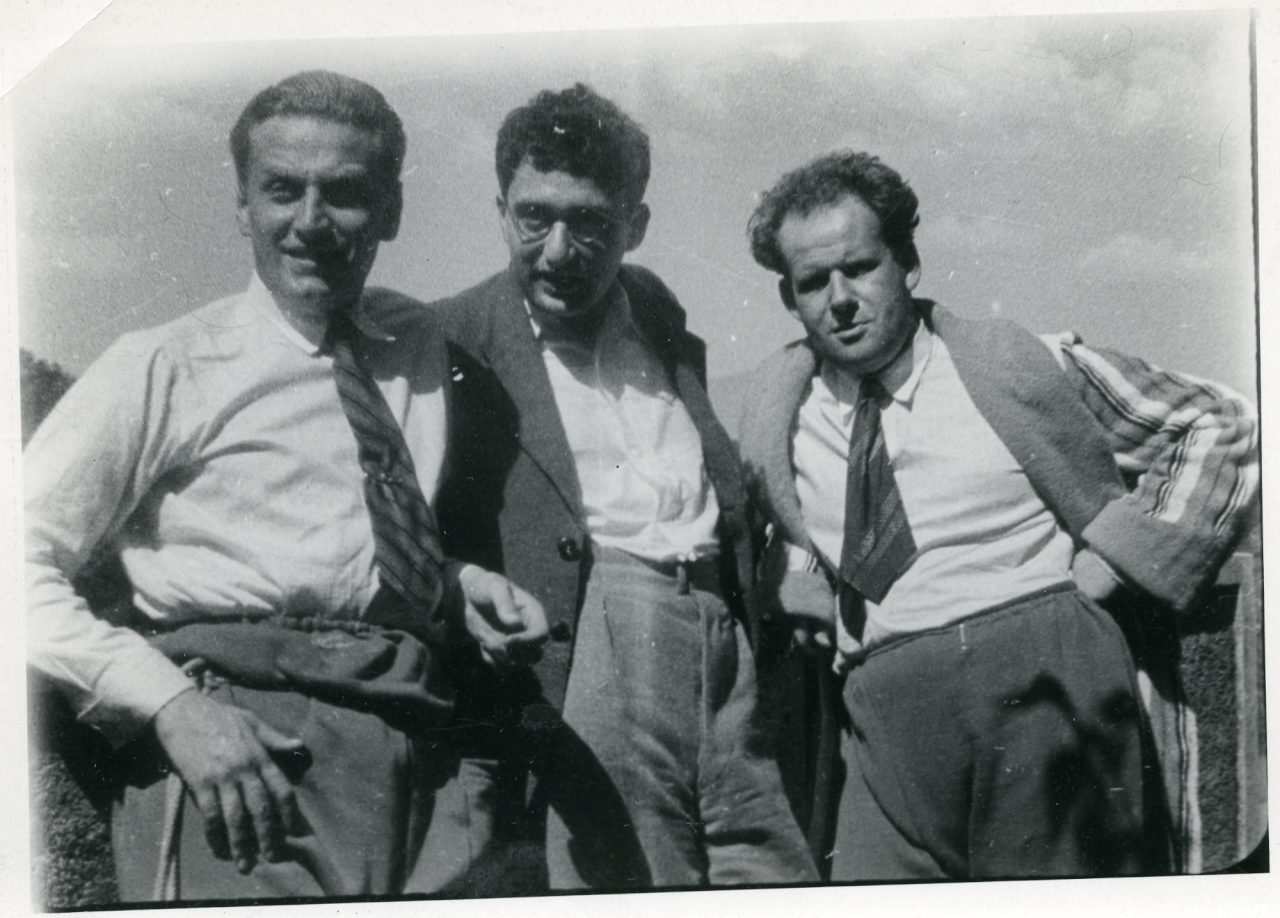 Grigori Aleksandrov, Ivor Montagu and Sergei Eisenstein at the Congress of Independent Filmmakers.3-7 September 1929Grigori Aleksandrov• Eisenstein's assistant/ Participant of the Congress of Independent Filmmakers, La SarrazIvor Montagu• Participant of the Congress of Independent Filmmakers, La Sarraz/ British filmmaker and screenwriter/ Traveling companion of EisensteinSergei EisensteinLa Sarraz, SwitzerlandCongress of Independent Filmmakers
 -
 Eduard Tisse and Robert Aron at the Congress of Independent Filmmakers.3-7 September 1929Eduard Tisse• Eisenstein's camera man/ Participant of the Congress of Independent Filmmakers, La SarrazRobert Aron• Organizier of the Congress of Independent Filmmakers, La SarrazLa Sarraz, SwitzerlandCongress of Independent Filmmakers
 -
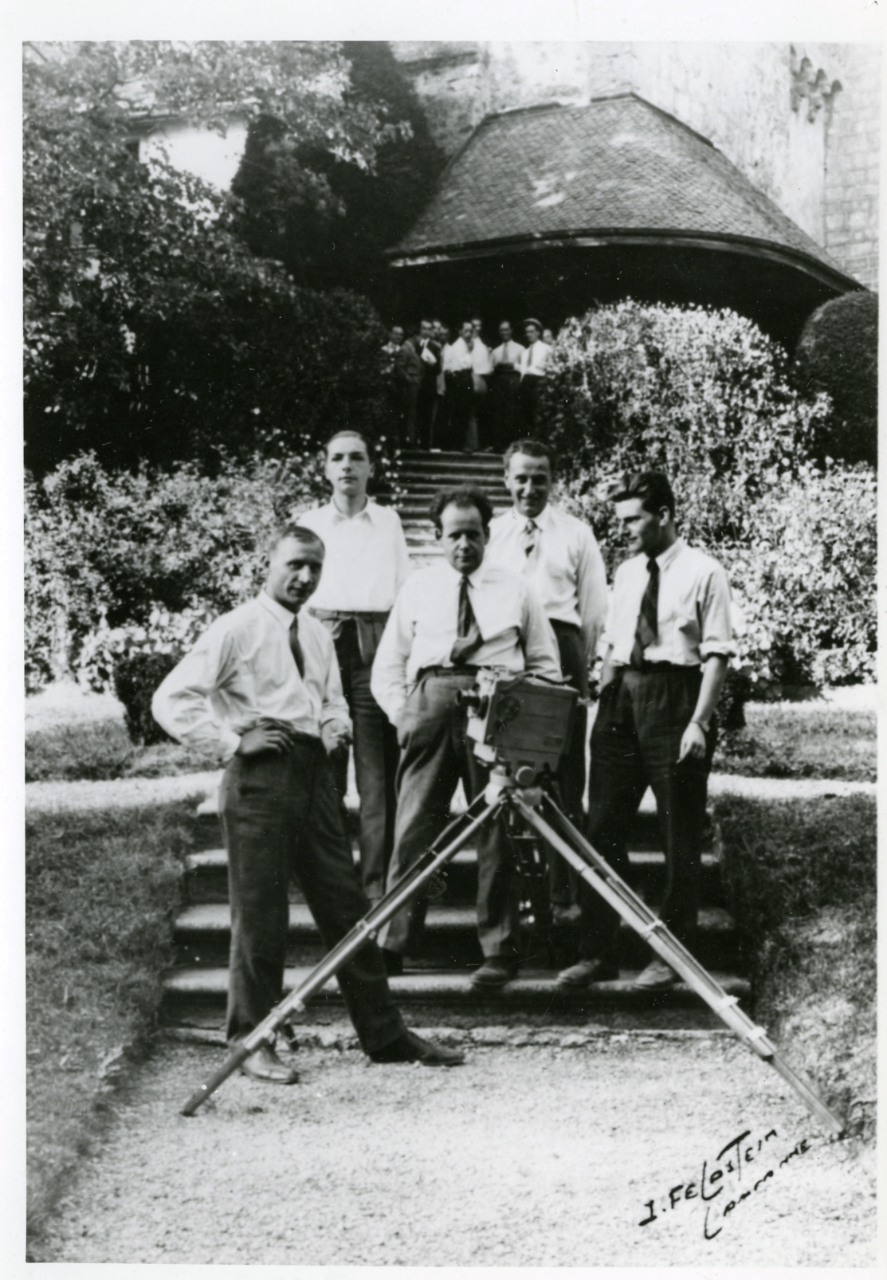 Posing with a film camera at the Congress of Independent Filmmakers.3-7 September 1929Eduard Tisse• Eisenstein's camera man/ Participant of the Congress of Independent Filmmakers, La SarrazJean-George Auriol• Participant of the Congress of Independent Filmmakers, La Sarraz/Editor "Revue du Cinema"Sergei EisensteinGrigori Aleksandrov• Eisenstein's assistant/ Participant of the Congress of Independent Filmmakers, La SarrazJean Lenauer• Participant of the Congress of Independent Filmmakers, La SarrazJéchiel Feldstein-Imbert• Photographer in La SarrazLa Sarraz, SwitzerlandCongress of Independent FilmmakersThe Storming of La Sarraz. The Struggle of Independent Film against Commercial Film
 -
 Sergei Eisenstein as the Don Quixote of independent film, during the shoot of ‘The Storming of La Sarraz’.3-7 September 1929Sergei EisensteinLa Sarraz, SwitzerlandCongress of Independent FilmmakersThe Storming of La Sarraz. The Struggle of Independent Film against Commercial Film
 -
 Eduard Tisse fixing Sergei Eisenstein’s costume as Don Quixote during the shoot of ‘The Storming of La Sarraz’.5 September 1929Sergei EisensteinEduard Tisse• Eisenstein's camera man/ Participant of the Congress of Independent Filmmakers, La SarrazLa Sarraz, SwitzerlandCongress of Independent FilmmakersThe Storming of La Sarraz. The Struggle of Independent Film against Commercial Film
 -
 Sergei Eisenstein as Don Quixote during the shoot of ‘The Storming of La Sarraz’.5 September 1929Sergei EisensteinLa Sarraz, SwitzerlandCongress of Independent FilmmakersThe Storming of La Sarraz. The Struggle of Independent Film against Commercial Film
 -
 Sergei Eisenstein and Jean-George Auriol, the editor of ‘Revue du Cinéma’, during the shoot of ‘The Storming of La Sarraz’.3-7 September 1929Jean-George Auriol• Participant of the Congress of Independent Filmmakers, La Sarraz/Editor "Revue du Cinema"Sergei EisensteinLa Sarraz, SwitzerlandCongress of Independent FilmmakersThe Storming of La Sarraz. The Struggle of Independent Film against Commercial Film
 -
 Jean-George Auriol in costume during the shoot of ‘The Storming of La Sarraz’.5 September 1929Jean-George Auriol• Participant of the Congress of Independent Filmmakers, La Sarraz/Editor "Revue du Cinema"La Sarraz, SwitzerlandCongress of Independent FilmmakersThe Storming of La Sarraz. The Struggle of Independent Film against Commercial Film
 -
 Jean-George Auriol (?) in costume during the shoot of ‘The Storming of La Sarraz’.5 September 1929Jean-George Auriol• Participant of the Congress of Independent Filmmakers, La Sarraz/Editor "Revue du Cinema"La Sarraz, SwitzerlandCongress of Independent FilmmakersThe Storming of La Sarraz. The Struggle of Independent Film against Commercial Film
 -
 Jean-George Auriol in costume during the shoot of ‘The Storming of La Sarraz’.5 September 1929Jean-George Auriol• Participant of the Congress of Independent Filmmakers, La Sarraz/Editor "Revue du Cinema"La Sarraz, SwitzerlandCongress of Independent FilmmakersThe Storming of La Sarraz. The Struggle of Independent Film against Commercial Film
 -
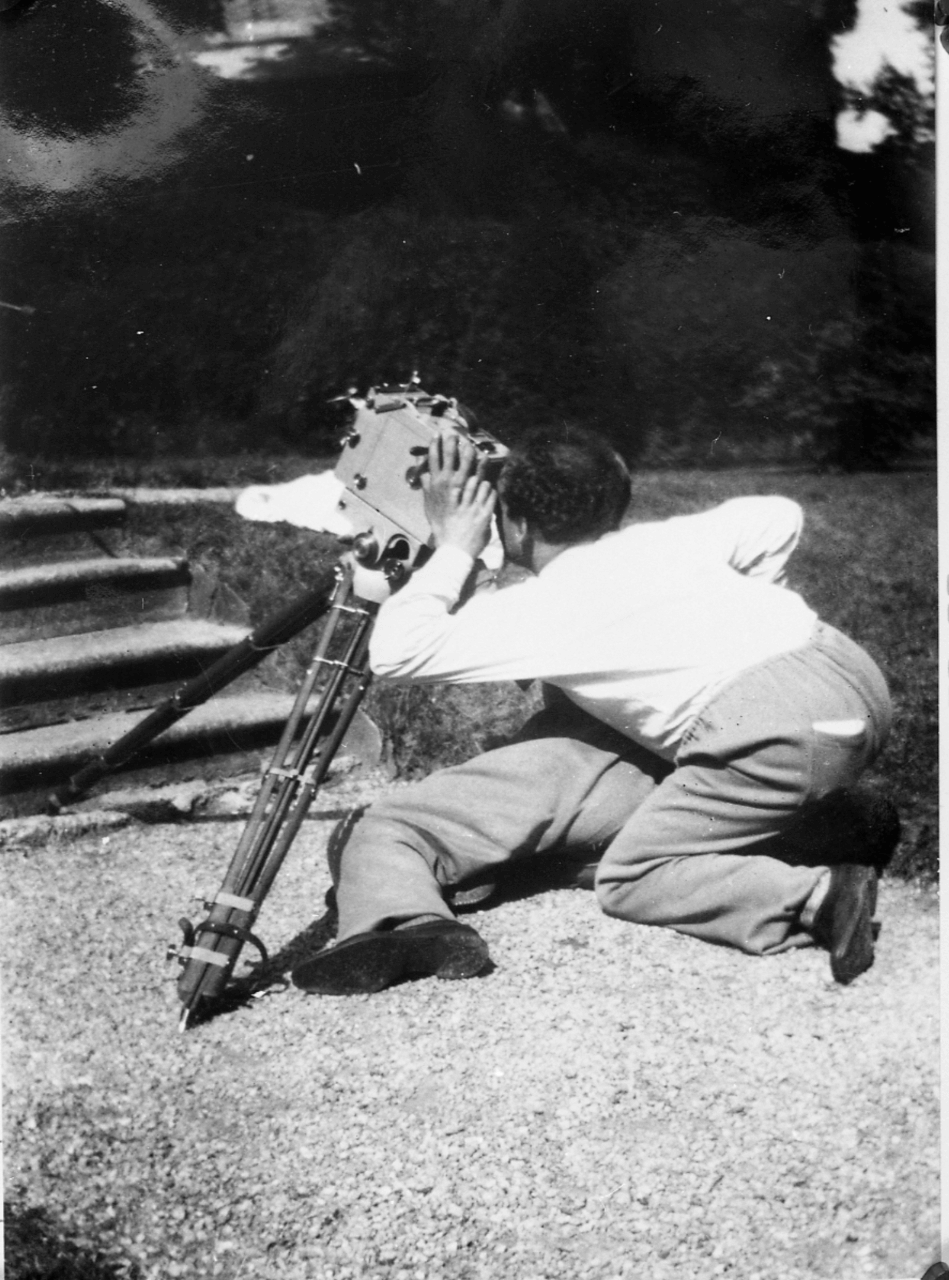 Sergei Eisenstein shooting ‘The Storming of La Sarraz’.5 September 1929Sergei EisensteinLa Sarraz, SwitzerlandCongress of Independent FilmmakersThe Storming of La Sarraz. The Struggle of Independent Film against Commercial Film
 -
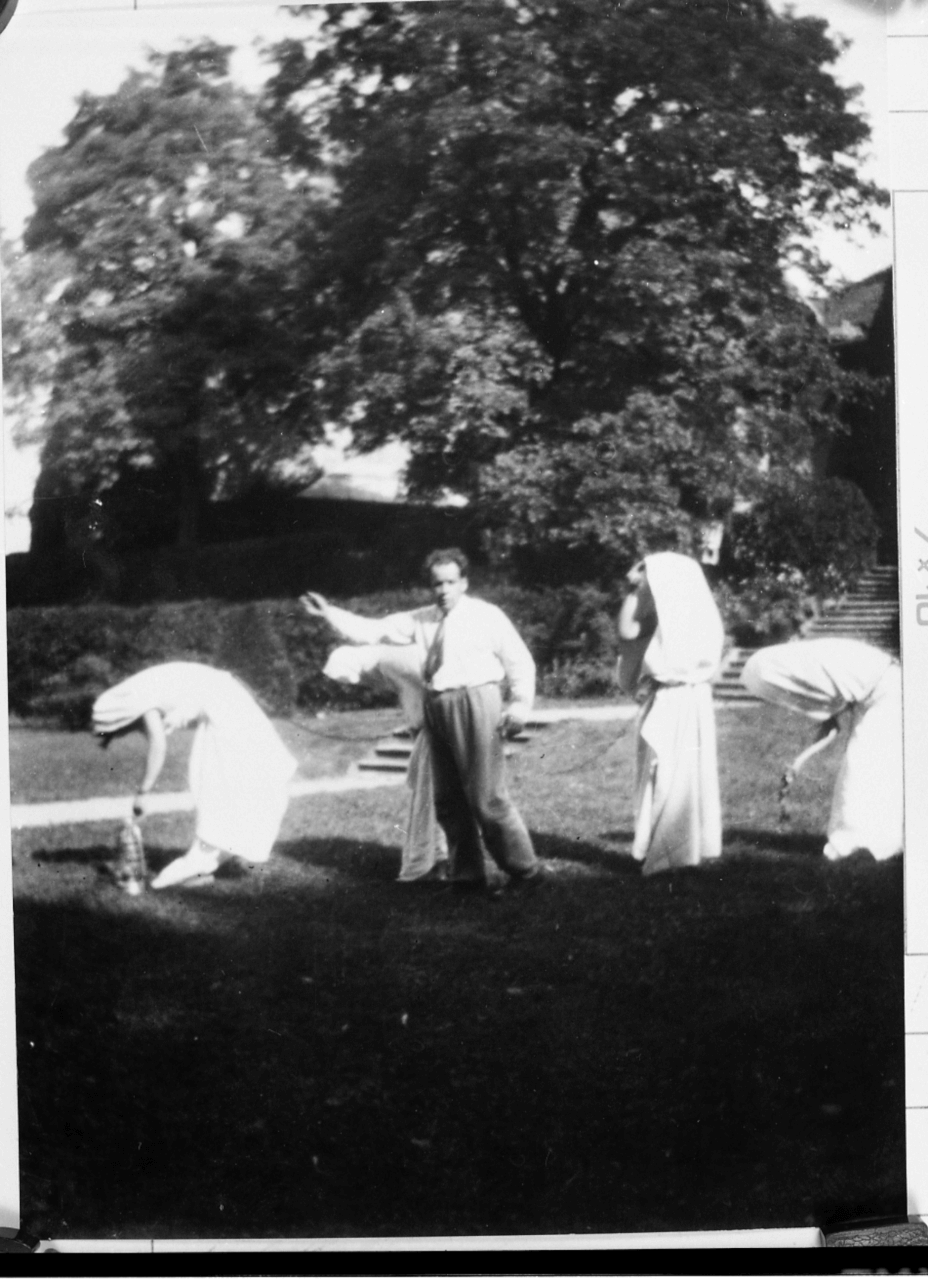 Sergei Eisenstein during the shoot of ‘The Storming of La Sarraz’.5 September 1929Sergei EisensteinLa Sarraz, SwitzerlandCongress of Independent FilmmakersThe Storming of La Sarraz. The Struggle of Independent Film against Commercial Film
 -
 During the shoot of ‘The Storming of La Sarraz’.5 September 1929La Sarraz, SwitzerlandCongress of Independent FilmmakersThe Storming of La Sarraz. The Struggle of Independent Film against Commercial Film
 -
 Sergei Eisenstein during the shoot of ‘The Storming of La Sarraz’.5 September 1929Sergei EisensteinEduard Tisse• Eisenstein's camera man/ Participant of the Congress of Independent Filmmakers, La SarrazLa Sarraz, SwitzerlandCongress of Independent FilmmakersThe Storming of La Sarraz. The Struggle of Independent Film against Commercial Film
 -
 Sergei Eisenstein at the film camera during the shoot of ‘The Storming of La Sarraz’.5 September 1929Sergei EisensteinLa Sarraz, SwitzerlandCongress of Independent FilmmakersThe Storming of La Sarraz. The Struggle of Independent Film against Commercial Film
 -
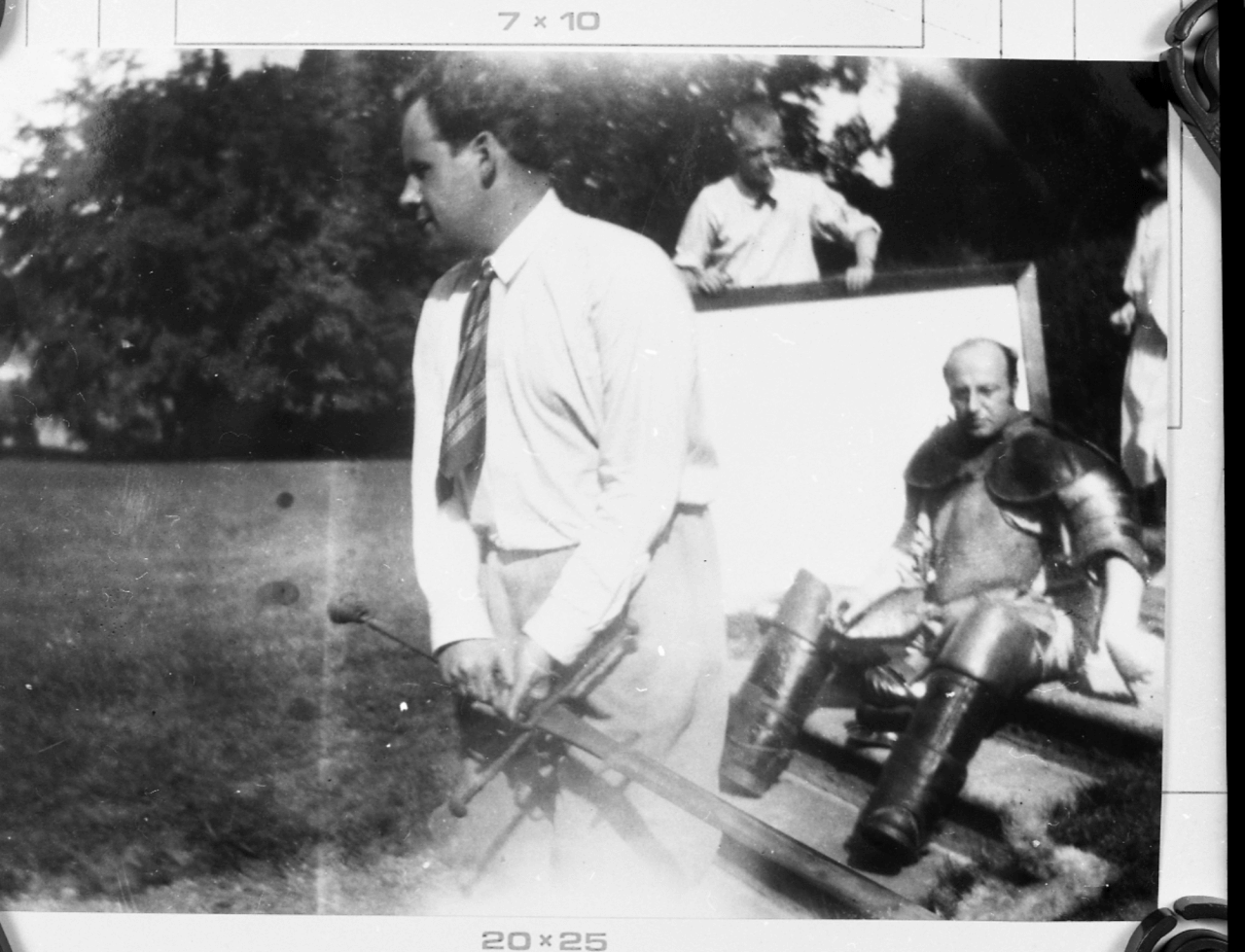 Sergei Eisenstein, Georg Schmidt and Jack Isaacs in costume as Knight Bluebeard during the shoot of ‘The Storming of La Sarraz’.5 September 1929Sergei EisensteinGeorg Schmidt• Participant of the Congress of Independent Filmmakers, La Sarraz, for the "Schweizerischen Werkbund"/ Swiss cinephile, later head of Artmuseum Basel; at La Sarraz as "Vertreter des schweizerischen Werkbundes"/ Swiss cinephile, later head of Artmuseum BaselJack Isaacs• Participant of the Congress of Independent Filmmakers, La Sarraz/ Lecturer at King's College London from 1928 to 1942La Sarraz, SwitzerlandCongress of Independent FilmmakersThe Storming of La Sarraz. The Struggle of Independent Film against Commercial Film
 -
 Alberto Sartoris (?), Jack Isaacs in costume as Knight Bluebeard and Ivor Montagu during the shoot of ‘The Storming of La Sarraz’.5 September 1929Alberto Sartoris• Participant of the Congress of Independent Filmmakers, La SarrazJack Isaacs• Participant of the Congress of Independent Filmmakers, La Sarraz/ Lecturer at King's College London from 1928 to 1942Ivor Montagu• Participant of the Congress of Independent Filmmakers, La Sarraz/ British filmmaker and screenwriter/ Traveling companion of EisensteinLa Sarraz, SwitzerlandCongress of Independent FilmmakersThe Storming of La Sarraz. The Struggle of Independent Film against Commercial Film
 -
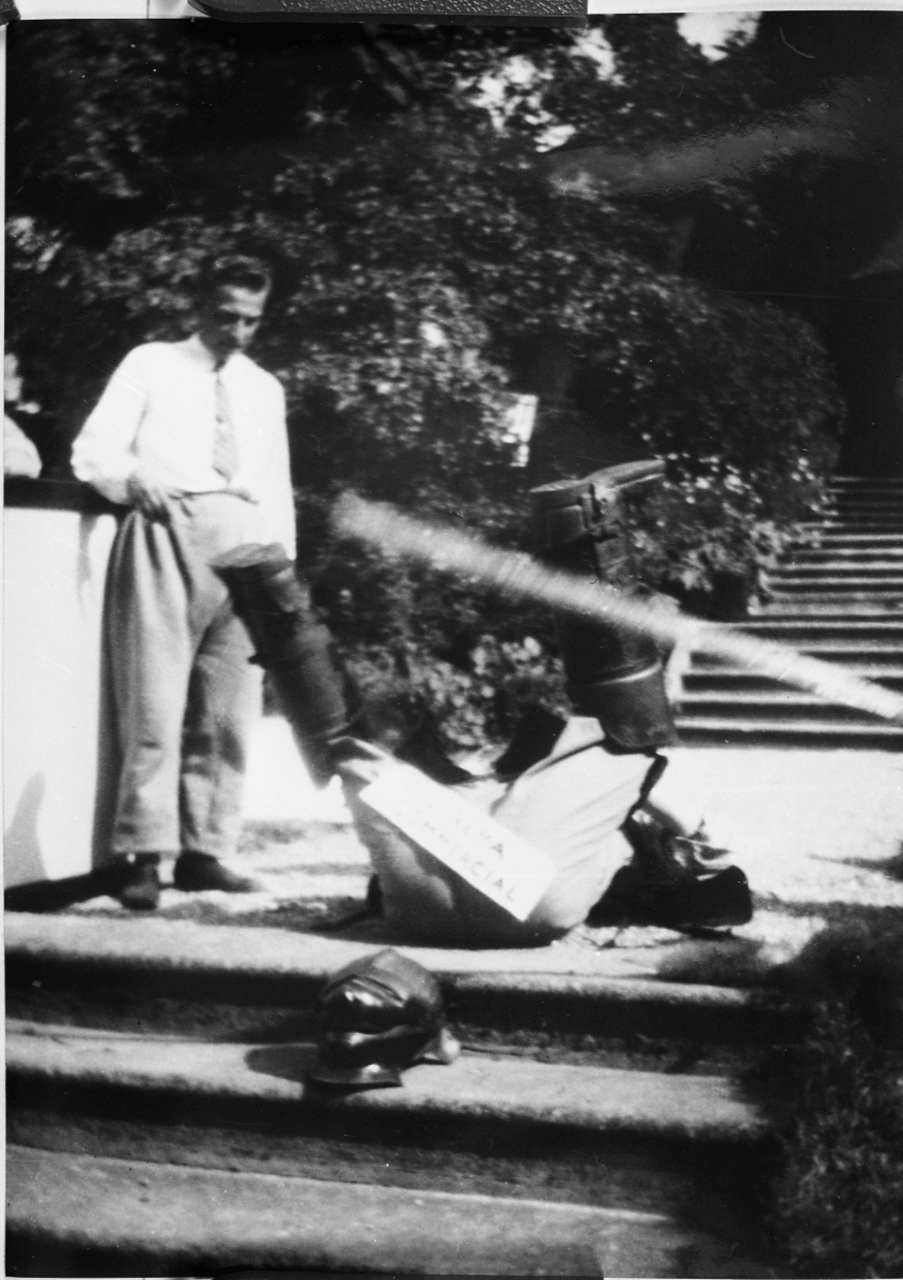 Alberto Sartoris (?) and Jack Isaacs in costume as Knight Bluebeard during the shoot of ‘The Storming of La Sarraz’.5 September 1929Alberto Sartoris• Participant of the Congress of Independent Filmmakers, La SarrazJack Isaacs• Participant of the Congress of Independent Filmmakers, La Sarraz/ Lecturer at King's College London from 1928 to 1942La Sarraz, SwitzerlandCongress of Independent FilmmakersThe Storming of La Sarraz. The Struggle of Independent Film against Commercial Film
 -
 Sergei Eisenstein fixing Léon Moussinac’s costume as D’Artagnan for the shoot of ‘The Storming of La Sarraz’.5 September 1929Sergei EisensteinLéon Moussinac• Participant of the Congress of Independent Filmmakers, La Sarraz/ French Film Critic/ Travelling companion of EisensteinLa Sarraz, SwitzerlandCongress of Independent FilmmakersThe Storming of La Sarraz. The Struggle of Independent Film against Commercial Film
 -
 Sergei Eisenstein and Léon Moussinac in costume as as D’Artagnan during the shoot of ‘The Storming of La Sarraz’.5 September 1929Léon Moussinac• Participant of the Congress of Independent Filmmakers, La Sarraz/ French Film Critic/ Travelling companion of EisensteinSergei EisensteinLa Sarraz, SwitzerlandCongress of Independent FilmmakersThe Storming of La Sarraz. The Struggle of Independent Film against Commercial Film
 -
 Hans Richter during the shoot of ‘The Storming of La Sarraz’.5 September 1929Hans Richter• Participant of the Congress of Independent Filmmakers, La Sarraz/ German experimental filmmaker/ Acquaintance of EisensteinLa Sarraz, SwitzerlandCongress of Independent FilmmakersThe Storming of La Sarraz. The Struggle of Independent Film against Commercial Film
 -
 Walter Ruttmann with his 35mm Kinamo handheld camera.5 September 1929Walter Ruttmann• Participant of the Congress of Independent Filmmakers, La Sarraz/ German experimental filmmakerLa Sarraz, SwitzerlandCongress of Independent Filmmakers
 -
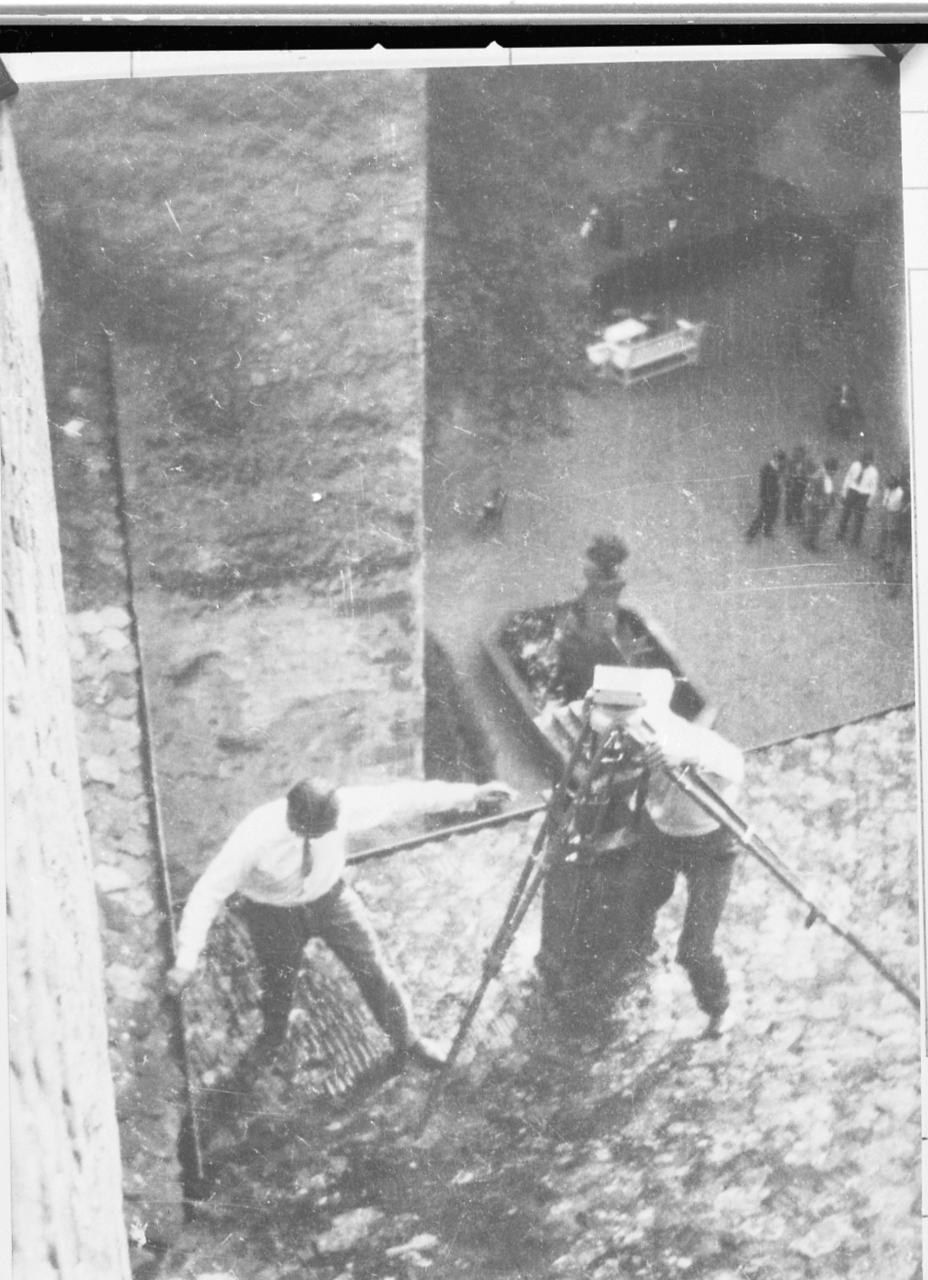 Eduard Tisse and Grigori Aleksandrov prepare to shoot a scene for ‘The Storming of La Sarraz’.5 September 1929Eduard Tisse• Eisenstein's camera man/ Participant of the Congress of Independent Filmmakers, La SarrazGrigori Aleksandrov• Eisenstein's assistant/ Participant of the Congress of Independent Filmmakers, La SarrazLa Sarraz, SwitzerlandCongress of Independent FilmmakersThe Storming of La Sarraz. The Struggle of Independent Film against Commercial Film
 -
 Grigori Aleksandrov and Eduard Tisse shooting a scene for ‘The Storming of La Sarraz’ on a rooftop.5 September 1929Grigori Aleksandrov• Eisenstein's assistant/ Participant of the Congress of Independent Filmmakers, La SarrazEduard Tisse• Eisenstein's camera man/ Participant of the Congress of Independent Filmmakers, La SarrazLa Sarraz, SwitzerlandCongress of Independent FilmmakersThe Storming of La Sarraz. The Struggle of Independent Film against Commercial Film
 -
 Jean-George Auriol (?) and Janine Bouissounouse in costume as the Spirit of Independent Film during the shoot of ‘The Storming of La Sarraz’.5 September 1929Jean-George Auriol• Participant of the Congress of Independent Filmmakers, La Sarraz/Editor "Revue du Cinema"Janine Bouissounouse• Participant of the Congress of Independent Filmmakers, La Sarraz/ Film CriticLa Sarraz, SwitzerlandCongress of Independent FilmmakersThe Storming of La Sarraz. The Struggle of Independent Film against Commercial Film
 -
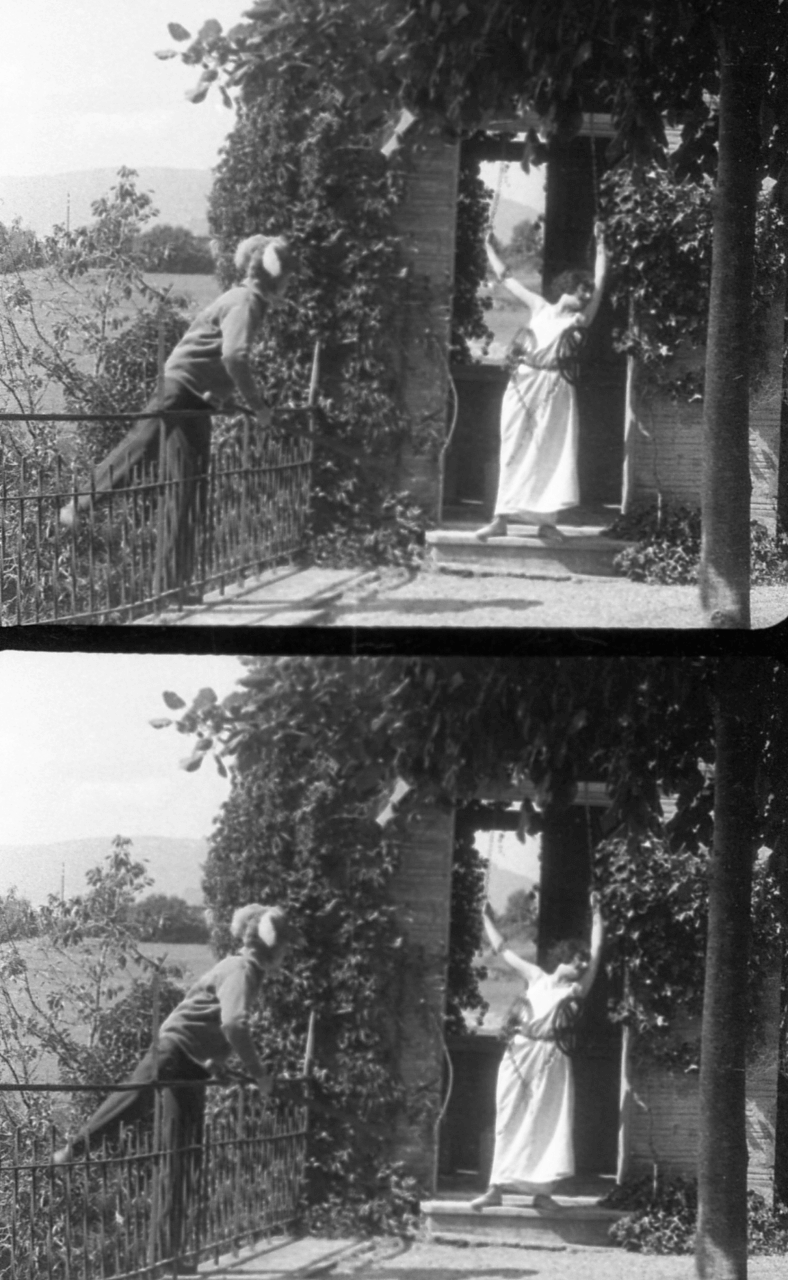 Jean-George Auriol (?) and Janine Bouissounouse in costume as the Spirit of Independent Film during the shoot of ‘The Storming of La Sarraz’.5 September 1929Jean-George Auriol• Participant of the Congress of Independent Filmmakers, La Sarraz/Editor "Revue du Cinema"Janine Bouissounouse• Participant of the Congress of Independent Filmmakers, La Sarraz/ Film CriticLa Sarraz, SwitzerlandCongress of Independent FilmmakersThe Storming of La Sarraz. The Struggle of Independent Film against Commercial Film
 -
 Janine Bouissounouse as the captured Spirit of Independent Cinema during the shoot of ‘The Storming of La Sarraz’.5 September 1929Janine Bouissounouse• Participant of the Congress of Independent Filmmakers, La Sarraz/ Film CriticLa Sarraz, SwitzerlandCongress of Independent FilmmakersThe Storming of La Sarraz. The Struggle of Independent Film against Commercial Film
 -
 Hans Richter as a Knight of Independent Film during the shoot of ‘The Storming of La Sarraz’.5 September 1929Hans Richter• Participant of the Congress of Independent Filmmakers, La Sarraz/ German experimental filmmaker/ Acquaintance of EisensteinLa Sarraz, SwitzerlandCongress of Independent FilmmakersThe Storming of La Sarraz. The Struggle of Independent Film against Commercial Film
 -
 Hans Richter as a Knight of Independent Film during the shoot of ‘The Storming of La Sarraz’.5 September 1929Hans Richter• Participant of the Congress of Independent Filmmakers, La Sarraz/ German experimental filmmaker/ Acquaintance of EisensteinLa Sarraz, SwitzerlandCongress of Independent FilmmakersThe Storming of La Sarraz. The Struggle of Independent Film against Commercial Film
 -
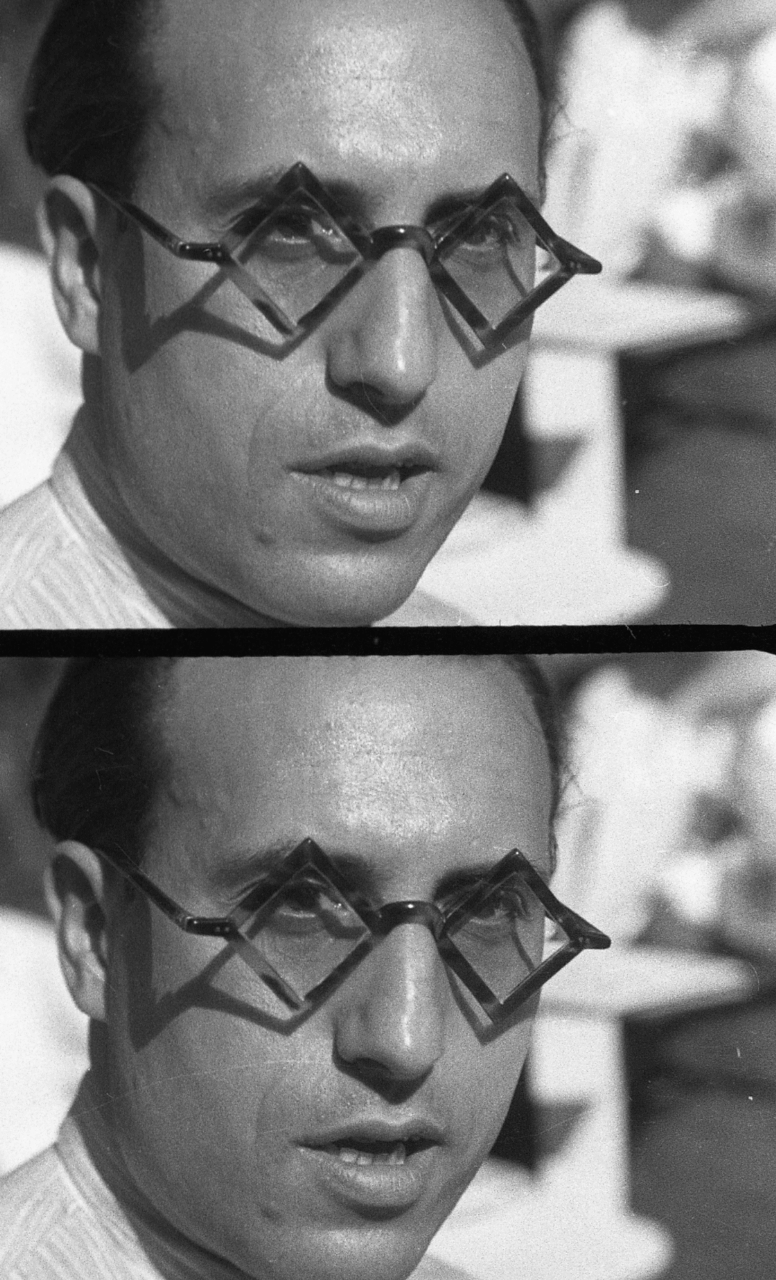 Ernesto Giménez Caballero at the Congress of Independent Filmmakers.3-7 September 1929Ernesto Giménez Caballero• Participant of the Congress of Independent Filmmakers, La SarrazLa Sarraz, SwitzerlandCongress of Independent Filmmakers
 -
 Moichiro Tsuchiya as the Spirit of Japanese Commercial Cinema during the shoot of ‘The Storming of La Sarraz’.5 September 1929Moichiro Tsuchiya• Participant of the Congress of Independent Filmmakers, La Sarraz/ Critic at Kinema Junpo, Paris/ TokyoLa Sarraz, SwitzerlandCongress of Independent FilmmakersThe Storming of La Sarraz. The Struggle of Independent Film against Commercial Film
-
Group picture of the participants of the Congress of Independent Filmmakers, September 1929, La Sarraz.3-7 September 1929Alberto Cavalcanti• Participant of the Congress of Independent Filmmakers, La SarrazAlberto Sartoris• Participant of the Congress of Independent Filmmakers, La SarrazAlfred Masset• Participant of the Congress of Independent Filmmakers, La SarrazAndré R. Maugé• Participant of the Congress of Independent Filmmakers, La SarrazArnold Kohler• Participant of the Congress of Independent Filmmakers, La SarrazBéla Balász• Participant of the Congress of Independent Filmmakers, La SarrazEduard Tisse• Eisenstein's camera man/ Participant of the Congress of Independent Filmmakers, La SarrazEnrico Prampolini• Participant of the Congress of Independent Filmmakers, La SarrazErnesto Giménez Caballero• Participant of the Congress of Independent Filmmakers, La SarrazFritz Rosenfeld• Participant of the Congress of Independent Filmmakers, La Sarraz/ Austrian film criticGeorg Schmidt• Participant of the Congress of Independent Filmmakers, La Sarraz, for the "Schweizerischen Werkbund"/ Swiss cinephile, later head of Artmuseum Basel; at La Sarraz as "Vertreter des schweizerischen Werkbundes"/ Swiss cinephile, later head of Artmuseum BaselGrigori Aleksandrov• Eisenstein's assistant/ Participant of the Congress of Independent Filmmakers, La SarrazHans Richter• Participant of the Congress of Independent Filmmakers, La Sarraz/ German experimental filmmaker/ Acquaintance of EisensteinHiroshi Hijo• Participant of the Congress of Independent Filmmakers, La SarrazIvor Montagu• Participant of the Congress of Independent Filmmakers, La Sarraz/ British filmmaker and screenwriter/ Traveling companion of EisensteinJack Isaacs• Participant of the Congress of Independent Filmmakers, La Sarraz/ Lecturer at King's College London from 1928 to 1942Janine Bouissounouse• Participant of the Congress of Independent Filmmakers, La Sarraz/ Film CriticJean Lenauer• Participant of the Congress of Independent Filmmakers, La SarrazJean-George Auriol• Participant of the Congress of Independent Filmmakers, La Sarraz/Editor "Revue du Cinema"Léon Moussinac• Participant of the Congress of Independent Filmmakers, La Sarraz/ French Film Critic/ Travelling companion of EisensteinMannus Franken• Participant of the Congress of Independent Filmmakers, La SarrazMoichiro Tsuchiya• Participant of the Congress of Independent Filmmakers, La Sarraz/ Critic at Kinema Junpo, Paris/ TokyoMontgomery Evans• Participant of the Congress of Independent Filmmakers, La SarrazRobert Aron• Organizier of the Congress of Independent Filmmakers, La SarrazRobert Guye• Participant of the Congress of Independent Filmmakers, La SarrazSergei EisensteinWalter Ruttmann• Participant of the Congress of Independent Filmmakers, La Sarraz/ German experimental filmmakerJéchiel Feldstein-Imbert• Photographer in La SarrazLa Sarraz, SwitzerlandCongress of Independent Filmmakers
-
The castle La Sarraz near Lausanne, Switzerland.3-7 September 1929
-
Sergei Eisenstein in front of the castle La Sarraz during the Congress of Independent Filmmakers.3-7 September 1929Sergei EisensteinLa Sarraz, SwitzerlandCongress of Independent Filmmakers
-
Sergei Eisenstein in front of the castle La Sarraz during the Congress of Independent Filmmakers.3-7 September 1929Sergei EisensteinLa Sarraz, SwitzerlandCongress of Independent Filmmakers
-
Grigori Aleksandrov in front of the castle La Sarraz during the Congress of Independent Filmmakers.3-7 September 1929Grigori Aleksandrov• Eisenstein's assistant/ Participant of the Congress of Independent Filmmakers, La SarrazLa Sarraz, SwitzerlandCongress of Independent Filmmakers
-
Eduard Tisse in front of the castle La Sarraz during the Congress of Independent Filmmakers.3-7 September 1929Eduard Tisse• Eisenstein's camera man/ Participant of the Congress of Independent Filmmakers, La SarrazLa Sarraz, SwitzerlandCongress of Independent Filmmakers
-
Sergei Eisenstein during discussions at the Congress of Independent Filmmakers.3-7 September 1929Sergei EisensteinLa Sarraz, SwitzerlandCongress of Independent Filmmakers
-
Hans Richter during discussions at the Congress of Independent Filmmakers.3-7 September 1929
-
Léon Moussinac at the Congress of Independent Filmmakers.3-7 September 1929Léon Moussinac• Participant of the Congress of Independent Filmmakers, La Sarraz/ French Film Critic/ Travelling companion of EisensteinLa Sarraz, SwitzerlandCongress of Independent Filmmakers
-
A discussion at the Congress of Independent Filmmakers.3-7 September 1929Sergei EisensteinJanine Bouissounouse• Participant of the Congress of Independent Filmmakers, La Sarraz/ Film CriticIvor Montagu• Participant of the Congress of Independent Filmmakers, La Sarraz/ British filmmaker and screenwriter/ Traveling companion of EisensteinMontgomery Evans• Participant of the Congress of Independent Filmmakers, La SarrazEduard Tisse• Eisenstein's camera man/ Participant of the Congress of Independent Filmmakers, La SarrazLa Sarraz, SwitzerlandCongress of Independent Filmmakers
-
Discussions at the Congress of Independent Filmmakers.3-7 September 1929Jean-George Auriol• Participant of the Congress of Independent Filmmakers, La Sarraz/Editor "Revue du Cinema"Georg Schmidt• Participant of the Congress of Independent Filmmakers, La Sarraz, for the "Schweizerischen Werkbund"/ Swiss cinephile, later head of Artmuseum Basel; at La Sarraz as "Vertreter des schweizerischen Werkbundes"/ Swiss cinephile, later head of Artmuseum BaselBéla Balász• Participant of the Congress of Independent Filmmakers, La SarrazFritz Rosenfeld• Participant of the Congress of Independent Filmmakers, La Sarraz/ Austrian film criticLa Sarraz, SwitzerlandCongress of Independent Filmmakers
-
Discussions at the Congress of Independent Filmmakers.3-7 September 1929Jack Isaacs• Participant of the Congress of Independent Filmmakers, La Sarraz/ Lecturer at King's College London from 1928 to 1942Fritz Rosenfeld• Participant of the Congress of Independent Filmmakers, La Sarraz/ Austrian film criticJanine Bouissounouse• Participant of the Congress of Independent Filmmakers, La Sarraz/ Film CriticIvor Montagu• Participant of the Congress of Independent Filmmakers, La Sarraz/ British filmmaker and screenwriter/ Traveling companion of EisensteinMontgomery Evans• Participant of the Congress of Independent Filmmakers, La SarrazRobert Aron• Organizier of the Congress of Independent Filmmakers, La SarrazJean-George Auriol• Participant of the Congress of Independent Filmmakers, La Sarraz/Editor "Revue du Cinema"Moichiro Tsuchiya• Participant of the Congress of Independent Filmmakers, La Sarraz/ Critic at Kinema Junpo, Paris/ TokyoHiroshi Hijo• Participant of the Congress of Independent Filmmakers, La SarrazSergei EisensteinLa Sarraz, SwitzerlandCongress of Independent Filmmakers
-
Discussions at the Congress of Independent Filmmakers.3-7 September 1929Janine Bouissounouse• Participant of the Congress of Independent Filmmakers, La Sarraz/ Film CriticFritz Rosenfeld• Participant of the Congress of Independent Filmmakers, La Sarraz/ Austrian film criticIvor Montagu• Participant of the Congress of Independent Filmmakers, La Sarraz/ British filmmaker and screenwriter/ Traveling companion of EisensteinMontgomery Evans• Participant of the Congress of Independent Filmmakers, La SarrazMannus Franken• Participant of the Congress of Independent Filmmakers, La SarrazJean-George Auriol• Participant of the Congress of Independent Filmmakers, La Sarraz/Editor "Revue du Cinema"La Sarraz, SwitzerlandCongress of Independent Filmmakers
-
Léon Moussinac at the Congress of Independent Filmmakers.3-7 September 1929Léon Moussinac• Participant of the Congress of Independent Filmmakers, La Sarraz/ French Film Critic/ Travelling companion of EisensteinEnrico Prampolini• Participant of the Congress of Independent Filmmakers, La SarrazLa Sarraz, SwitzerlandCongress of Independent Filmmakers
-
Georg Schmidt and Hans Richter at the Congress of Independent Filmmakers.3-7 September 1929Georg Schmidt• Participant of the Congress of Independent Filmmakers, La Sarraz, for the "Schweizerischen Werkbund"/ Swiss cinephile, later head of Artmuseum Basel; at La Sarraz as "Vertreter des schweizerischen Werkbundes"/ Swiss cinephile, later head of Artmuseum BaselHans Richter• Participant of the Congress of Independent Filmmakers, La Sarraz/ German experimental filmmaker/ Acquaintance of EisensteinLa Sarraz, SwitzerlandCongress of Independent Filmmakers
-
Jack Isaacs at the Congress of Independent Filmmakers.3-7 September 1929Montgomery Evans• Participant of the Congress of Independent Filmmakers, La SarrazJanine Bouissounouse• Participant of the Congress of Independent Filmmakers, La Sarraz/ Film CriticLa Sarraz, SwitzerlandCongress of Independent Filmmakers
-
Hiroshi Hijo and Sergei Eisenstein in discussion at the Congress of Independent Filmmakers.3-7 September 1929Hiroshi Hijo• Participant of the Congress of Independent Filmmakers, La SarrazSergei EisensteinLa Sarraz, SwitzerlandCongress of Independent Filmmakers
-
Mannus Franken, Montgomery Evans, Ivor Montagu, Robert Aron, Alberto Sartoris (?) and Fritz Rosenfeld at the Congress of Independent Filmmakers.3-7 September 1929Mannus Franken• Participant of the Congress of Independent Filmmakers, La SarrazMontgomery Evans• Participant of the Congress of Independent Filmmakers, La SarrazIvor Montagu• Participant of the Congress of Independent Filmmakers, La Sarraz/ British filmmaker and screenwriter/ Traveling companion of EisensteinRobert Aron• Organizier of the Congress of Independent Filmmakers, La SarrazAlberto Sartoris• Participant of the Congress of Independent Filmmakers, La SarrazFritz Rosenfeld• Participant of the Congress of Independent Filmmakers, La Sarraz/ Austrian film criticLa Sarraz, SwitzerlandCongress of Independent Filmmakers
-
Discussions at the Congress of Independent Filmmakers.3-7 September 1929Jack Isaacs• Participant of the Congress of Independent Filmmakers, La Sarraz/ Lecturer at King's College London from 1928 to 1942Janine Bouissounouse• Participant of the Congress of Independent Filmmakers, La Sarraz/ Film CriticMontgomery Evans• Participant of the Congress of Independent Filmmakers, La SarrazRobert Aron• Organizier of the Congress of Independent Filmmakers, La SarrazMannus Franken• Participant of the Congress of Independent Filmmakers, La SarrazJean-George Auriol• Participant of the Congress of Independent Filmmakers, La Sarraz/Editor "Revue du Cinema"Hans Richter• Participant of the Congress of Independent Filmmakers, La Sarraz/ German experimental filmmaker/ Acquaintance of EisensteinLa Sarraz, SwitzerlandCongress of Independent Filmmakers
-
The Congress of Independent Filmmakers at Castle La Sarraz.3-7 September 1929
-
Robert Aron at the Congress of Independent Filmmakers.3-7 September 1929Robert Aron• Organizier of the Congress of Independent Filmmakers, La SarrazLa Sarraz, SwitzerlandCongress of Independent Filmmakers
-
Janine Bouissounouse writing a record of the congress discussions and Montgomery Evans at the Congress of Independent Filmmakers.3-7 September 1929Janine Bouissounouse• Participant of the Congress of Independent Filmmakers, La Sarraz/ Film CriticMontgomery Evans• Participant of the Congress of Independent Filmmakers, La SarrazLa Sarraz, SwitzerlandCongress of Independent Filmmakers
-
Hiroshi Hijo at the Congress of Independent Filmmakers.3-7 September 1929Hiroshi Hijo• Participant of the Congress of Independent Filmmakers, La Sarraz
-
Eduard Tisse and Grigori Aleksandrov shoot a newsreel during the congress discussions.5 September 1929Eduard Tisse• Eisenstein's camera man/ Participant of the Congress of Independent Filmmakers, La SarrazGrigori Aleksandrov• Eisenstein's assistant/ Participant of the Congress of Independent Filmmakers, La SarrazSergei EisensteinRobert Guye• Participant of the Congress of Independent Filmmakers, La SarrazErnesto Giménez Caballero• Participant of the Congress of Independent Filmmakers, La SarrazLa Sarraz, SwitzerlandCongress of Independent Filmmakers
-
Sergei Eisenstein in discussion with Hans Richter at the Congress of Independent Filmmakers.3-7 September 1929Sergei EisensteinHans Richter• Participant of the Congress of Independent Filmmakers, La Sarraz/ German experimental filmmaker/ Acquaintance of EisensteinLa Sarraz, SwitzerlandCongress of Independent Filmmakers
-
Sergei Eisenstein in discussion with Hans Richter at the Congress of Independent Filmmakers.3-7 September 1929Sergei EisensteinHans Richter• Participant of the Congress of Independent Filmmakers, La Sarraz/ German experimental filmmaker/ Acquaintance of EisensteinLa Sarraz, SwitzerlandCongress of Independent Filmmakers
-
Alberto Sartoris, Enrico Prampolini (?) and Ernesto Giménez Caballero at the Congress of Independent Filmmakers.3-7 September 1929Alberto Sartoris• Participant of the Congress of Independent Filmmakers, La SarrazEnrico Prampolini• Participant of the Congress of Independent Filmmakers, La SarrazErnesto Giménez Caballero• Participant of the Congress of Independent Filmmakers, La SarrazLa Sarraz, SwitzerlandCongress of Independent Filmmakers
-
Ivor Montagu at the Congress of Independent Filmmakers.3-7 September 1929Ivor Montagu• Participant of the Congress of Independent Filmmakers, La Sarraz/ British filmmaker and screenwriter/ Traveling companion of EisensteinLa Sarraz, SwitzerlandCongress of Independent Filmmakers
-
Léon Moussinac at the Congress of Independent Filmmakers.3-7 September 1929Léon Moussinac• Participant of the Congress of Independent Filmmakers, La Sarraz/ French Film Critic/ Travelling companion of EisensteinLa Sarraz, SwitzerlandCongress of Independent Filmmakers
-
Madame Hélène de Mandrot, the owner of castle La Sarraz, and Sergei Eisenstein at the Congress of Independent Filmmakers.3-7 September 1929Sergei EisensteinHélène de Mandrot• owner of Castle La SarrazLa Sarraz, SwitzerlandCongress of Independent Filmmakers
-
Hans Richter, Sergei Eisenstein and Béla Balász in La Sarraz.3-7 September 1929?? Photothèque Cinémathèque suisse??Hans Richter• Participant of the Congress of Independent Filmmakers, La Sarraz/ German experimental filmmaker/ Acquaintance of EisensteinBéla Balász• Participant of the Congress of Independent Filmmakers, La SarrazLa Sarraz, SwitzerlandCongress of Independent Filmmakers
-
Béla Balász at the Congress of Independent Filmmakers.3-7 September 1929Béla Balász• Participant of the Congress of Independent Filmmakers, La SarrazLa Sarraz, SwitzerlandCongress of Independent Filmmakers
-
Béla Balász at the Congress of Independent Filmmakers.3-7 September 1929Béla Balász• Participant of the Congress of Independent Filmmakers, La SarrazLa Sarraz, SwitzerlandCongress of Independent Filmmakers
-
Sergei Eisenstein at the Congress of Independent Filmmakers.3-7 September 1929Sergei EisensteinLa Sarraz, SwitzerlandCongress of Independent Filmmakers
-
Grigori Aleksandrov at the Congress of Independent Filmmakers.3-7 September 1929Grigori Aleksandrov• Eisenstein's assistant/ Participant of the Congress of Independent Filmmakers, La SarrazLa Sarraz, SwitzerlandCongress of Independent Filmmakers
-
Eduard Tisse, Sergei Eisenstein and (?) at the Congress of Independent Filmmakers.3-7 September 1929Eduard Tisse• Eisenstein's camera man/ Participant of the Congress of Independent Filmmakers, La SarrazSergei EisensteinLa Sarraz, SwitzerlandCongress of Independent Filmmakers
-
At the Congress of Independent Filmmakers.3-7 September 1929
-
Eduard Tisse, Sergei Eisenstein and (?) at the Congress of Independent Filmmakers.3-7 September 1929La Sarraz, SwitzerlandCongress of Independent Filmmakers
-
Grigori Aleksandrov, Ivor Montagu and Sergei Eisenstein at the Congress of Independent Filmmakers.3-7 September 1929Grigori Aleksandrov• Eisenstein's assistant/ Participant of the Congress of Independent Filmmakers, La SarrazIvor Montagu• Participant of the Congress of Independent Filmmakers, La Sarraz/ British filmmaker and screenwriter/ Traveling companion of EisensteinSergei EisensteinLa Sarraz, SwitzerlandCongress of Independent Filmmakers
-
Eduard Tisse and Robert Aron at the Congress of Independent Filmmakers.3-7 September 1929Eduard Tisse• Eisenstein's camera man/ Participant of the Congress of Independent Filmmakers, La SarrazRobert Aron• Organizier of the Congress of Independent Filmmakers, La SarrazLa Sarraz, SwitzerlandCongress of Independent Filmmakers
-
Posing with a film camera at the Congress of Independent Filmmakers.3-7 September 1929Eduard Tisse• Eisenstein's camera man/ Participant of the Congress of Independent Filmmakers, La SarrazJean-George Auriol• Participant of the Congress of Independent Filmmakers, La Sarraz/Editor "Revue du Cinema"Sergei EisensteinGrigori Aleksandrov• Eisenstein's assistant/ Participant of the Congress of Independent Filmmakers, La SarrazJean Lenauer• Participant of the Congress of Independent Filmmakers, La SarrazJéchiel Feldstein-Imbert• Photographer in La SarrazLa Sarraz, SwitzerlandCongress of Independent FilmmakersThe Storming of La Sarraz. The Struggle of Independent Film against Commercial Film
-
Sergei Eisenstein as the Don Quixote of independent film, during the shoot of ‘The Storming of La Sarraz’.3-7 September 1929Sergei EisensteinLa Sarraz, SwitzerlandCongress of Independent FilmmakersThe Storming of La Sarraz. The Struggle of Independent Film against Commercial Film
-
Eduard Tisse fixing Sergei Eisenstein’s costume as Don Quixote during the shoot of ‘The Storming of La Sarraz’.5 September 1929Sergei EisensteinEduard Tisse• Eisenstein's camera man/ Participant of the Congress of Independent Filmmakers, La SarrazLa Sarraz, SwitzerlandCongress of Independent FilmmakersThe Storming of La Sarraz. The Struggle of Independent Film against Commercial Film
-
Sergei Eisenstein as Don Quixote during the shoot of ‘The Storming of La Sarraz’.5 September 1929Sergei EisensteinLa Sarraz, SwitzerlandCongress of Independent FilmmakersThe Storming of La Sarraz. The Struggle of Independent Film against Commercial Film
-
Sergei Eisenstein and Jean-George Auriol, the editor of ‘Revue du Cinéma’, during the shoot of ‘The Storming of La Sarraz’.3-7 September 1929Jean-George Auriol• Participant of the Congress of Independent Filmmakers, La Sarraz/Editor "Revue du Cinema"Sergei EisensteinLa Sarraz, SwitzerlandCongress of Independent FilmmakersThe Storming of La Sarraz. The Struggle of Independent Film against Commercial Film
-
Jean-George Auriol in costume during the shoot of ‘The Storming of La Sarraz’.5 September 1929Jean-George Auriol• Participant of the Congress of Independent Filmmakers, La Sarraz/Editor "Revue du Cinema"La Sarraz, SwitzerlandCongress of Independent FilmmakersThe Storming of La Sarraz. The Struggle of Independent Film against Commercial Film
-
Jean-George Auriol (?) in costume during the shoot of ‘The Storming of La Sarraz’.5 September 1929Jean-George Auriol• Participant of the Congress of Independent Filmmakers, La Sarraz/Editor "Revue du Cinema"La Sarraz, SwitzerlandCongress of Independent FilmmakersThe Storming of La Sarraz. The Struggle of Independent Film against Commercial Film
-
Jean-George Auriol in costume during the shoot of ‘The Storming of La Sarraz’.5 September 1929Jean-George Auriol• Participant of the Congress of Independent Filmmakers, La Sarraz/Editor "Revue du Cinema"La Sarraz, SwitzerlandCongress of Independent FilmmakersThe Storming of La Sarraz. The Struggle of Independent Film against Commercial Film
-
Sergei Eisenstein shooting ‘The Storming of La Sarraz’.5 September 1929Sergei EisensteinLa Sarraz, SwitzerlandCongress of Independent FilmmakersThe Storming of La Sarraz. The Struggle of Independent Film against Commercial Film
-
Sergei Eisenstein during the shoot of ‘The Storming of La Sarraz’.5 September 1929Sergei EisensteinLa Sarraz, SwitzerlandCongress of Independent FilmmakersThe Storming of La Sarraz. The Struggle of Independent Film against Commercial Film
-
During the shoot of ‘The Storming of La Sarraz’.5 September 1929La Sarraz, SwitzerlandCongress of Independent FilmmakersThe Storming of La Sarraz. The Struggle of Independent Film against Commercial Film
-
Sergei Eisenstein during the shoot of ‘The Storming of La Sarraz’.5 September 1929Sergei EisensteinEduard Tisse• Eisenstein's camera man/ Participant of the Congress of Independent Filmmakers, La SarrazLa Sarraz, SwitzerlandCongress of Independent FilmmakersThe Storming of La Sarraz. The Struggle of Independent Film against Commercial Film
-
Sergei Eisenstein at the film camera during the shoot of ‘The Storming of La Sarraz’.5 September 1929Sergei EisensteinLa Sarraz, SwitzerlandCongress of Independent FilmmakersThe Storming of La Sarraz. The Struggle of Independent Film against Commercial Film
-
Sergei Eisenstein, Georg Schmidt and Jack Isaacs in costume as Knight Bluebeard during the shoot of ‘The Storming of La Sarraz’.5 September 1929Sergei EisensteinGeorg Schmidt• Participant of the Congress of Independent Filmmakers, La Sarraz, for the "Schweizerischen Werkbund"/ Swiss cinephile, later head of Artmuseum Basel; at La Sarraz as "Vertreter des schweizerischen Werkbundes"/ Swiss cinephile, later head of Artmuseum BaselJack Isaacs• Participant of the Congress of Independent Filmmakers, La Sarraz/ Lecturer at King's College London from 1928 to 1942La Sarraz, SwitzerlandCongress of Independent FilmmakersThe Storming of La Sarraz. The Struggle of Independent Film against Commercial Film
-
Alberto Sartoris (?), Jack Isaacs in costume as Knight Bluebeard and Ivor Montagu during the shoot of ‘The Storming of La Sarraz’.5 September 1929Alberto Sartoris• Participant of the Congress of Independent Filmmakers, La SarrazJack Isaacs• Participant of the Congress of Independent Filmmakers, La Sarraz/ Lecturer at King's College London from 1928 to 1942Ivor Montagu• Participant of the Congress of Independent Filmmakers, La Sarraz/ British filmmaker and screenwriter/ Traveling companion of EisensteinLa Sarraz, SwitzerlandCongress of Independent FilmmakersThe Storming of La Sarraz. The Struggle of Independent Film against Commercial Film
-
Alberto Sartoris (?) and Jack Isaacs in costume as Knight Bluebeard during the shoot of ‘The Storming of La Sarraz’.5 September 1929Alberto Sartoris• Participant of the Congress of Independent Filmmakers, La SarrazJack Isaacs• Participant of the Congress of Independent Filmmakers, La Sarraz/ Lecturer at King's College London from 1928 to 1942La Sarraz, SwitzerlandCongress of Independent FilmmakersThe Storming of La Sarraz. The Struggle of Independent Film against Commercial Film
-
Sergei Eisenstein fixing Léon Moussinac’s costume as D’Artagnan for the shoot of ‘The Storming of La Sarraz’.5 September 1929Sergei EisensteinLéon Moussinac• Participant of the Congress of Independent Filmmakers, La Sarraz/ French Film Critic/ Travelling companion of EisensteinLa Sarraz, SwitzerlandCongress of Independent FilmmakersThe Storming of La Sarraz. The Struggle of Independent Film against Commercial Film
-
Sergei Eisenstein and Léon Moussinac in costume as as D’Artagnan during the shoot of ‘The Storming of La Sarraz’.5 September 1929Léon Moussinac• Participant of the Congress of Independent Filmmakers, La Sarraz/ French Film Critic/ Travelling companion of EisensteinSergei EisensteinLa Sarraz, SwitzerlandCongress of Independent FilmmakersThe Storming of La Sarraz. The Struggle of Independent Film against Commercial Film
-
Hans Richter during the shoot of ‘The Storming of La Sarraz’.5 September 1929Hans Richter• Participant of the Congress of Independent Filmmakers, La Sarraz/ German experimental filmmaker/ Acquaintance of EisensteinLa Sarraz, SwitzerlandCongress of Independent FilmmakersThe Storming of La Sarraz. The Struggle of Independent Film against Commercial Film
-
Walter Ruttmann with his 35mm Kinamo handheld camera.5 September 1929Walter Ruttmann• Participant of the Congress of Independent Filmmakers, La Sarraz/ German experimental filmmakerLa Sarraz, SwitzerlandCongress of Independent Filmmakers
-
Eduard Tisse and Grigori Aleksandrov prepare to shoot a scene for ‘The Storming of La Sarraz’.5 September 1929Eduard Tisse• Eisenstein's camera man/ Participant of the Congress of Independent Filmmakers, La SarrazGrigori Aleksandrov• Eisenstein's assistant/ Participant of the Congress of Independent Filmmakers, La SarrazLa Sarraz, SwitzerlandCongress of Independent FilmmakersThe Storming of La Sarraz. The Struggle of Independent Film against Commercial Film
-
Grigori Aleksandrov and Eduard Tisse shooting a scene for ‘The Storming of La Sarraz’ on a rooftop.5 September 1929Grigori Aleksandrov• Eisenstein's assistant/ Participant of the Congress of Independent Filmmakers, La SarrazEduard Tisse• Eisenstein's camera man/ Participant of the Congress of Independent Filmmakers, La SarrazLa Sarraz, SwitzerlandCongress of Independent FilmmakersThe Storming of La Sarraz. The Struggle of Independent Film against Commercial Film
-
Jean-George Auriol (?) and Janine Bouissounouse in costume as the Spirit of Independent Film during the shoot of ‘The Storming of La Sarraz’.5 September 1929Jean-George Auriol• Participant of the Congress of Independent Filmmakers, La Sarraz/Editor "Revue du Cinema"Janine Bouissounouse• Participant of the Congress of Independent Filmmakers, La Sarraz/ Film CriticLa Sarraz, SwitzerlandCongress of Independent FilmmakersThe Storming of La Sarraz. The Struggle of Independent Film against Commercial Film
-
Jean-George Auriol (?) and Janine Bouissounouse in costume as the Spirit of Independent Film during the shoot of ‘The Storming of La Sarraz’.5 September 1929Jean-George Auriol• Participant of the Congress of Independent Filmmakers, La Sarraz/Editor "Revue du Cinema"Janine Bouissounouse• Participant of the Congress of Independent Filmmakers, La Sarraz/ Film CriticLa Sarraz, SwitzerlandCongress of Independent FilmmakersThe Storming of La Sarraz. The Struggle of Independent Film against Commercial Film
-
Janine Bouissounouse as the captured Spirit of Independent Cinema during the shoot of ‘The Storming of La Sarraz’.5 September 1929Janine Bouissounouse• Participant of the Congress of Independent Filmmakers, La Sarraz/ Film CriticLa Sarraz, SwitzerlandCongress of Independent FilmmakersThe Storming of La Sarraz. The Struggle of Independent Film against Commercial Film
-
Hans Richter as a Knight of Independent Film during the shoot of ‘The Storming of La Sarraz’.5 September 1929Hans Richter• Participant of the Congress of Independent Filmmakers, La Sarraz/ German experimental filmmaker/ Acquaintance of EisensteinLa Sarraz, SwitzerlandCongress of Independent FilmmakersThe Storming of La Sarraz. The Struggle of Independent Film against Commercial Film
-
Hans Richter as a Knight of Independent Film during the shoot of ‘The Storming of La Sarraz’.5 September 1929Hans Richter• Participant of the Congress of Independent Filmmakers, La Sarraz/ German experimental filmmaker/ Acquaintance of EisensteinLa Sarraz, SwitzerlandCongress of Independent FilmmakersThe Storming of La Sarraz. The Struggle of Independent Film against Commercial Film
-
Ernesto Giménez Caballero at the Congress of Independent Filmmakers.3-7 September 1929Ernesto Giménez Caballero• Participant of the Congress of Independent Filmmakers, La SarrazLa Sarraz, SwitzerlandCongress of Independent Filmmakers
-
Moichiro Tsuchiya as the Spirit of Japanese Commercial Cinema during the shoot of ‘The Storming of La Sarraz’.5 September 1929Moichiro Tsuchiya• Participant of the Congress of Independent Filmmakers, La Sarraz/ Critic at Kinema Junpo, Paris/ TokyoLa Sarraz, SwitzerlandCongress of Independent FilmmakersThe Storming of La Sarraz. The Struggle of Independent Film against Commercial Film